
How to Properly Maintain Professional PPF for Maximum Lifespan
Introduction
At
Firehouse Auto Spa in Jacksonville, FL, we know your vehicle isn’t just transportation—it’s an investment. Professional paint protection film (PPF) is one of the most effective ways to guard that investment against road debris, UV rays, and everyday wear. While quality film and certified installation are essential, ongoing maintenance is what ensures your PPF continues to perform and protect over the long term.
In this guide, we’ll walk you through expert-backed techniques to help your film stay crystal-clear and resilient, ensuring your car remains a point of pride for years to come.
What Is Paint Protection Film (PPF)?
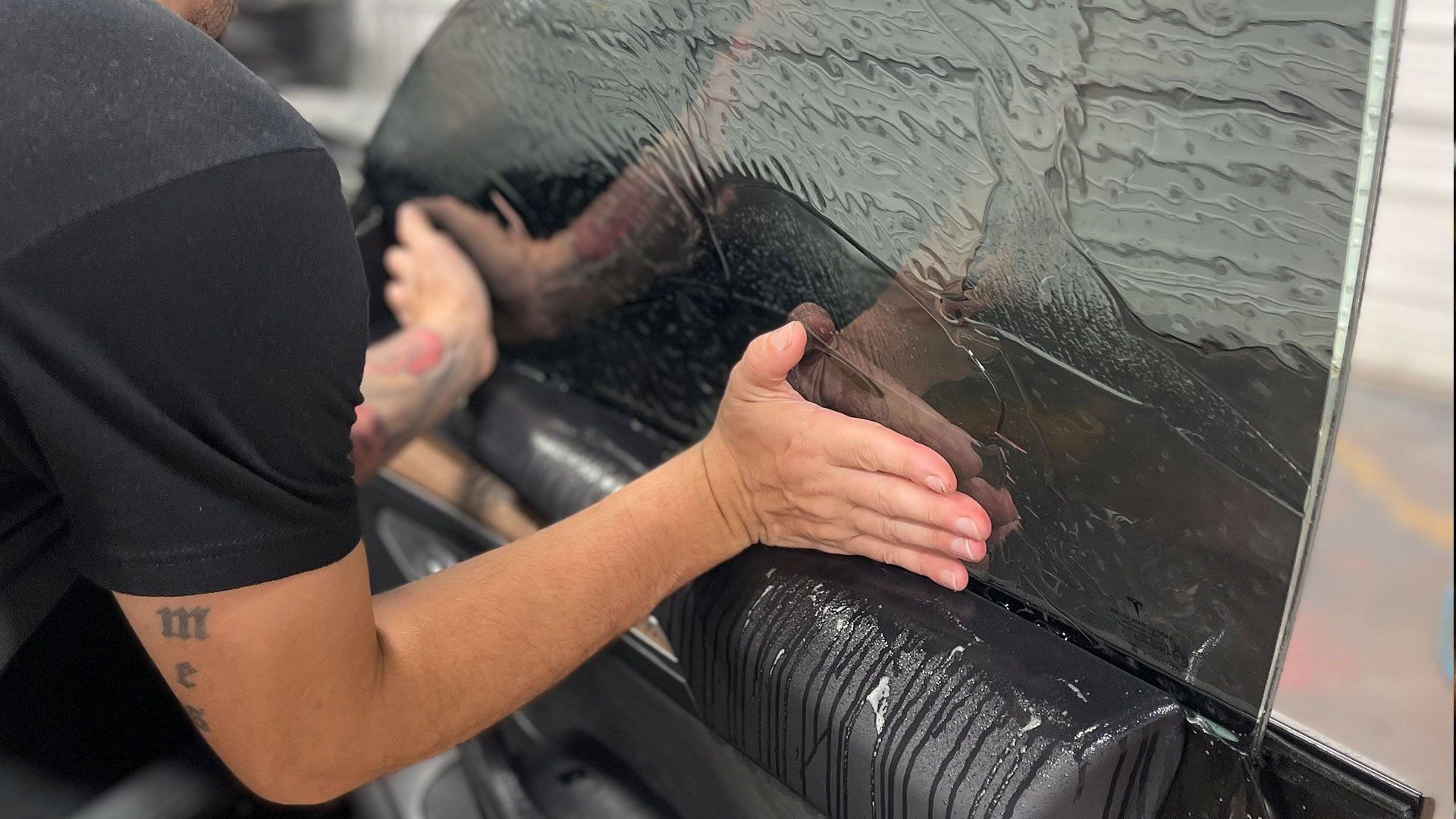
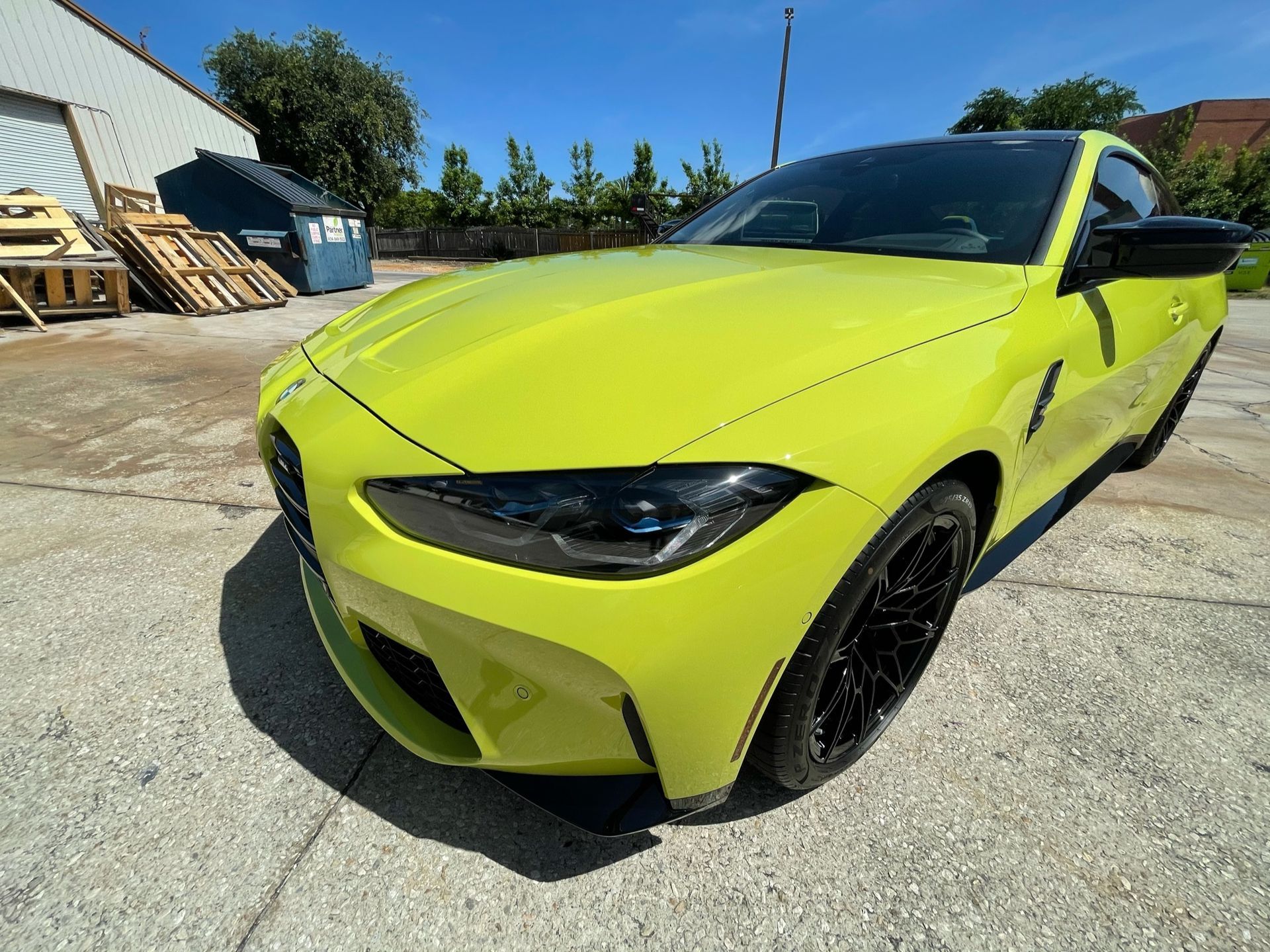
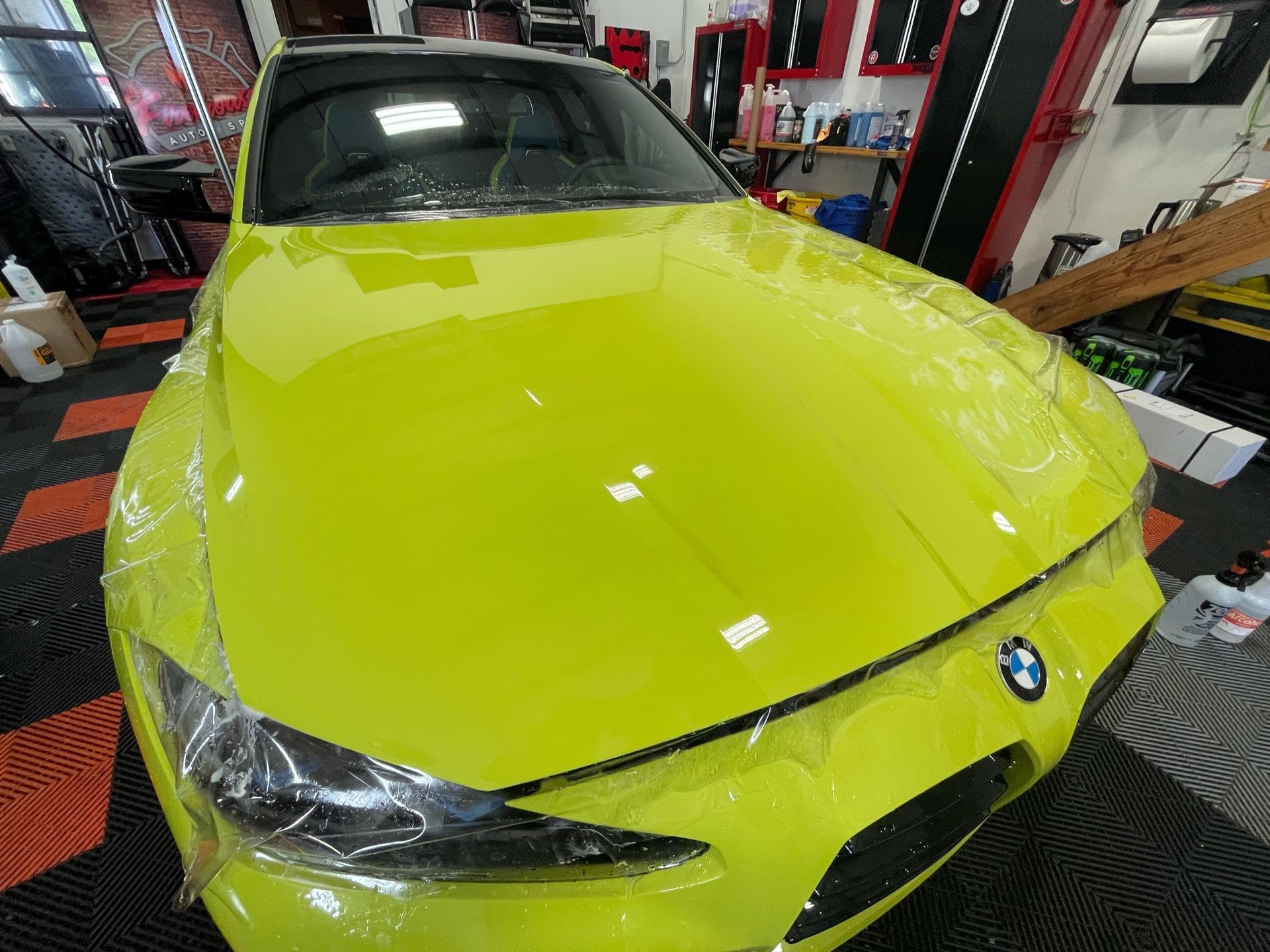
Paint protection film, commonly referred to as a clear bra, is a transparent urethane layer applied to a vehicle’s painted surfaces. It serves as a durable shield against rock chips, bug splatter, and other environmental contaminants. For Jacksonville drivers dealing with intense sun exposure, humidity, and coastal conditions, PPF offers a smart way to maintain a vehicle's appearance and long-term value.
Proper installation by trained professionals is key to maximizing the film’s benefits. When applied correctly, PPF enhances gloss, preserves paint clarity, and significantly reduces upkeep demands.
Why Proper Maintenance Matters
PPF isn’t a “set-it-and-forget-it” solution. Even the highest-quality film will wear down prematurely if neglected. Without proper care, you may encounter yellowing, peeling edges, or adhesive failure. Consistent maintenance not only protects your paint but also ensures the film remains effective and visually seamless.
By following the right washing, inspection, and care techniques, you extend your film’s lifespan—typically from 7 to 10 years in Florida’s climate—and protect the value of your investment.
Washing Techniques for PPF
The best way to wash a vehicle with PPF is by hand using the two-bucket method: one bucket for soapy water and another for rinsing your wash mitt. This minimizes the chance of reintroducing grit that can mark the film.
Wash your vehicle every one to two weeks, or more often if exposed to road grime, bugs, or salty coastal air. Avoid automatic car washes with brushes, as they can scuff the surface or stress the film's edges.
Choosing the Right Cleaning Products
Use a pH-balanced automotive shampoo specifically designed for coated or film-protected vehicles. These gentle formulas clean effectively without degrading the film’s adhesive or topcoat.
Avoid:
- Harsh degreasers or solvents
- Petroleum-based cleaners
- Abrasive sponges or pads
Stick to soft microfiber mitts, towels, and applicators for both washing and drying.
Safe Drying Methods
Once you’ve washed the car, use a clean microfiber drying towel or a touchless air blower. Letting the car air dry or dragging a towel across the surface can lead to water spots or micro-abrasions.
Avoid using chamois or bath towels, which can cause markes over time. Proper drying techniques help preserve the film’s clarity and gloss.
How to Spot Early Signs of PPF Wear
Inspect your film every few weeks for signs of lifting, bubbling, or discoloration. Focus on high-wear areas such as:
- Bumper edges
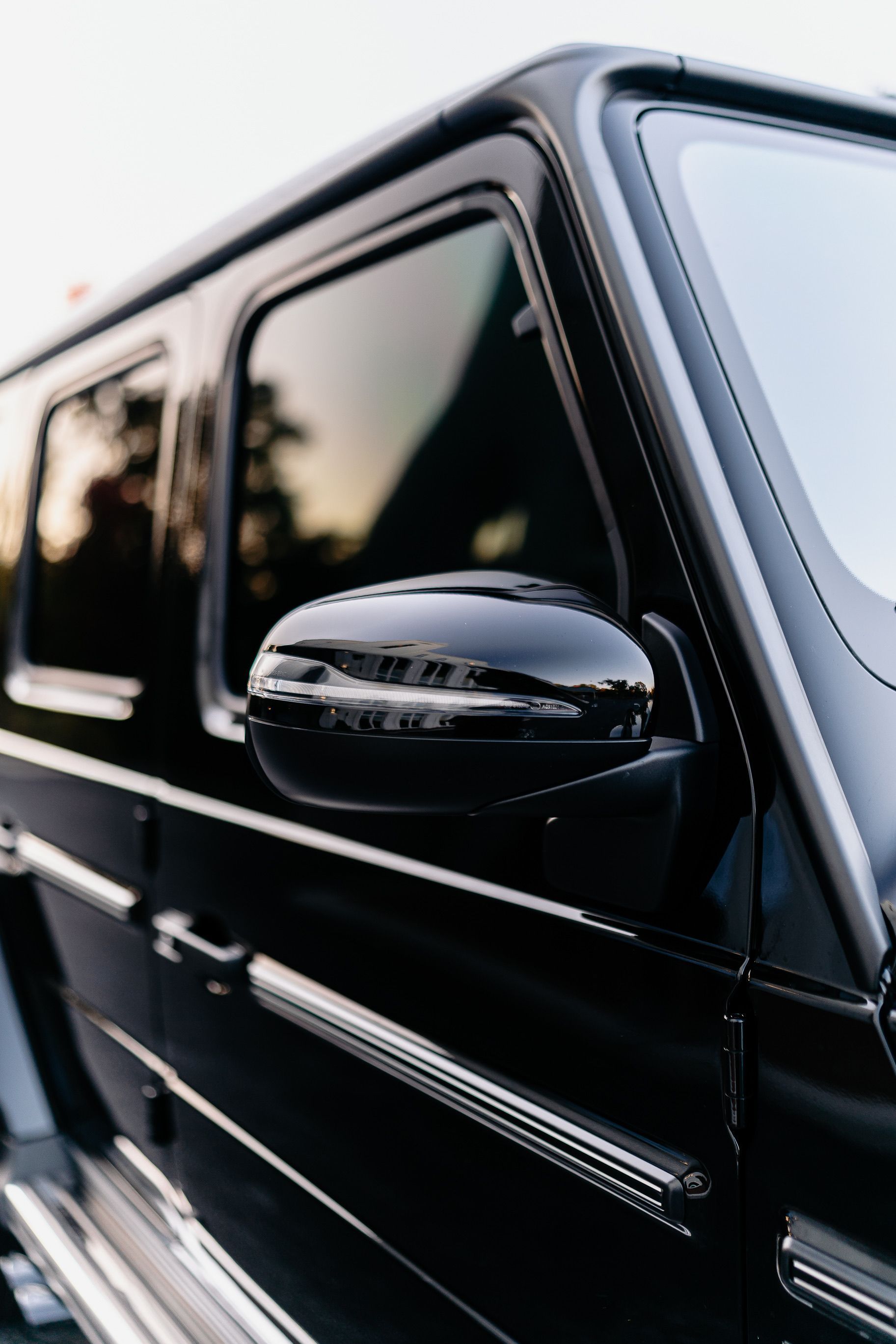
- Side mirrors
- Fender corners
Addressing small issues early helps prevent larger repairs later and ensures the film continues to perform as intended.
Dealing with Contaminants
Florida’s environment presents plenty of challenges—bird droppings, bug splatter, tree sap, and road grime can all compromise your PPF if not removed quickly.
Use a gentle detailing spray and microfiber cloth to spot-clean these contaminants as soon as possible. In hot weather, they can bake onto the surface and cause permanent etching.
A quick rinse or spot-clean can go a long way in preventing damage and keeping your vehicle looking fresh.
Seasonal Maintenance Considerations
Jacksonville’s climate requires adjusting your car care routine throughout the year:
- In summer, wash more frequently to remove baked-on debris after highway drives.
- In rainy or humid months, focus on proper drying to avoid moisture buildup along film edges.
- In winter, rinse off road salt or sand, especially along rocker panels and bumper seams.
Routine seasonal adjustments help prevent buildup and ensure the film’s adhesion remains strong.
Mistakes That Shorten the Life of Your PPF
Avoid the following common mistakes to keep your film in top shape:
- Spraying high-pressure nozzles directly at film edges
- Washing hot panels with cold water, which can shock the adhesive
- Using rough sponges, dirty towels, or abrasive tools
- Applying waxes or sealants not formulated for urethane films
- Going through automatic car washes with spinning brushes
By steering clear of these errors, you maintain the integrity and lifespan of your paint protection film.
Boosting PPF Performance with Ceramic Coating
While PPF offers excellent physical protection, adding a ceramic coating can enhance water beading, gloss, and surface slickness. This top layer reduces the likelihood of contaminants sticking to the film and makes routine washes easier and faster.
At Firehouse Auto Spa, we offer ceramic coatings specifically designed to pair with
SunTek PPF. Combined, they offer unmatched protection, clarity, and ease of maintenance.
Professional Maintenance Services
While at-home care is important, periodic professional services ensure your PPF remains in peak condition. Our maintenance washes use film-safe products, and we inspect your vehicle for edge wear, film clouding, or contamination buildup.
We also offer reconditioning treatments that can restore gloss, address film imperfections, and keep your protective layer working like new.
How Long Does PPF Last with Proper Care?
With proper installation and regular upkeep, your PPF can last between 7 and 10 years in Jacksonville’s climate. Cars that are washed incorrectly or exposed to harsh chemicals may see reduced performance, with film degrading in as little as 3 to 5 years.
Investing in the right care now saves time, money, and frustration down the line.
Common Myths About PPF
- Myth: PPF makes your car maintenance-free
Reality: While PPF reduces the risk of damage, it still requires regular care to perform properly. - Myth: You can wash less often with PPF
Reality: Dirt and contaminants still accumulate on the surface and should be cleaned regularly to avoid buildup. - Myth: You can’t wax over PPF
Reality: You can, as long as you use waxes or sealants that are specifically safe for urethane film.
FAQs
- How long does PPF typically last in Jacksonville’s climate?
With certified installation and proper care, expect 7 to 10 years of protection. - How often should I wash my car with PPF?
Every one to two weeks, depending on driving conditions and exposure to contaminants. - Can I wax or seal over PPF?
Yes, use only products that are safe for urethane films to avoid damaging the surface. - What happens if my PPF gets damaged?
Minor issues can often be corrected. Larger damage may require replacement of a specific panel. - Does ceramic coating replace PPF?
No. Ceramic coating improves water resistance and gloss but doesn’t provide the physical protection that PPF offers.
Conclusion
PPF is one of the smartest investments you can make to protect your vehicle’s paint—but to truly benefit from it, you need to follow a proper care routine. Regular washing, safe drying, spot-cleaning contaminants, and seasonal adjustments all play a role in maximizing the film’s performance and longevity.
At Firehouse Auto Spa, we’re proud to help Jacksonville drivers keep their vehicles in flawless condition. To
schedule a maintenance wash or speak with a PPF specialist, call us at (904) 747-2785 or request a quote online today.