A fine scratch can change how you see an otherwise beautiful vehicle. Once you notice that mark across the hood or a cluster of swirls under direct light, your attention keeps returning to it. For Jacksonville drivers who take pride in their vehicles, protecting the finish means preserving the details that make ownership rewarding.
Self-healing PPF adds a useful layer of protection: its surface can recover from certain minor scratches when exposed to heat. The technology helps the protective film maintain its appearance while shielding the paint underneath.
At Firehouse Auto Spa, SunTek is the primary paint protection film brand used for this service. Understanding how its self-healing feature works and where its limits begin can help you make a confident decision about protecting your vehicle.
What Is Self-Healing Paint Protection Film?
Self-healing paint protection film is a flexible urethane covering applied over selected exterior surfaces. Often called a clear bra, it creates a physical barrier between the vehicle’s finish and everyday hazards.
Its self-healing capability comes from a specially engineered surface layer. When suitable heat reaches that layer, certain shallow scratches can diminish or disappear. The film itself recovers; it does not repair damaged paint beneath it.
The term “self-healing” describes a specific capability rather than unlimited damage resistance. A light surface mark and a deep cut are different problems, even when both initially look like scratches.
For owners researching protection, three distinctions matter:
- The film helps protect covered paint from physical damage.
- Its self-healing surface addresses minor marks within that surface.
- Damage that penetrates or removes material may require professional attention.
Understanding these differences makes demonstrations more useful and keeps expectations realistic. The self-healing surface is designed to address certain minor scratches, not every scratch, so a professional inspection is the best way to judge a deeper mark.

How Does Self-Healing PPF Technology Work?
A Flexible Surface Responds to Heat
Self-healing films use an engineered topcoat with properties that allow shallow surface disturbances to recover. Rather than functioning like rigid glass, this surface has flexibility.
A minor abrasion can disturb the topcoat without cutting through the protective film. Heat helps the affected surface recover toward its smoother condition, reducing the visible mark. Firehouse Auto Spa describes the film as a highly flexible urethane that absorbs an impact without breaking and works to stretch back toward its normal shape.
An important distinction is that the material must remain capable of recovery. A shallow impression can behave differently from a gouge where material has been removed. Heat cannot replace a missing section or reconnect a torn edge.
SunTek Uses Heat to Support Surface Recovery
SunTek explains that its self-healing surface can use warmth from sunlight, a warm body panel, engine heat, or warm water to address scratches.
That does not mean every mark disappears immediately after the vehicle leaves the garage. The film needs suitable conditions, and the damage must fall within its recovery capabilities. Follow the installed product’s instructions rather than assuming that more heat produces a better result.
For an owner, the practical benefit is straightforward: some superficial marks can clear without abrasive polishing of the protective surface.
Which Scratches Can Self-Healing PPF Address?
The best candidates are fine scratches and light swirl marks confined to the recoverable surface.
These defects may be subtle in shade but noticeable under bright lighting. On a carefully maintained vehicle, even shallow marks can interrupt the appearance of a smooth, reflective finish.
Self-healing PPF is designed to help with:
- Fine surface scratches.
- Light swirl marks.
- Minor superficial abrasions within the healing layer.
SunTek describes this capability in terms of the majority of scratches, which is an important qualification. The appearance of a scratch alone does not always reveal its depth.
If you find a mark, clean the area gently and schedule a professional inspection rather than testing it with aggressive products. A professional inspection is more useful than experimenting.
What Self-Healing Film Cannot Fix
A self-healing clear bra remains a protective material with physical limits. It cannot make a vehicle immune to every road hazard.
Damage outside the intended healing capability includes:
- Cuts that penetrate the film.
- Deep gouges or missing material.
- Torn sections.
- Scratches reaching the underlying paint.
A deeper impact may leave the film visibly damaged. In that situation, the film may have served its purpose as a barrier, but surface recovery is a separate question.
Likewise, PPF scratch repair does not mean that every damaged area can be restored through heat. A professional may recommend replacing the affected film when the damage is too extensive.
This distinction matters when comparing products. Evaluate protection, appearance, installation, and maintenance together instead of judging a film solely by a scratch demonstration.
How Heat Helps Minor Scratches Disappear
Watching a fine mark fade can make the process seem instant and effortless. However, a demonstration shows a particular scratch under particular conditions.
Sunlight and Warm Panels
SunTek’s Ultra film uses heat from the sun or vehicle engine to support self-healing. For qualifying surface marks, ordinary warmth can therefore play a role in maintaining the film’s appearance. Its HydroResist top coat also increases stain resistance.
Jacksonville owners should still treat sunshine as a potential source of activating warmth, rather than a guarantee that every defect will disappear after parking outside.
Professional Guidance for Lingering Marks
If a mark remains visible, contact Firehouse Auto Spa before attempting a heat treatment yourself. Explain when you noticed it, where it is located, and whether an impact occurred.
Useful questions include:
- Does this appear to be a recoverable surface scratch?
- Could the mark be contamination rather than damage?
- What treatment is appropriate for this particular film?
- Should the affected section be inspected in person?
Clear guidance helps you avoid turning a small cosmetic concern into a larger maintenance problem.
Why This Feature Matters for Long-Term Appearance
It Helps the Protective Layer Stay Presentable
PPF sits on the exterior of the vehicle, so its condition influences how the finish looks. Protecting paint is valuable, but owners also want the covering itself to remain clear and attractive.
Self-healing technology addresses that concern by allowing qualifying superficial defects to recover. SunTek’s Ultra film pairs this feature with outstanding optical clarity.
For a detail-oriented owner, that combination matters more than a single dramatic demonstration. The goal is a protective surface that continues to complement the vehicle’s appearance during normal use.
It Supports a Preservation-Focused Ownership Plan
A premium vehicle, family SUV, or carefully selected daily driver can represent years of planning. Protecting its exterior is often about keeping something you enjoy in excellent condition.
PPF fits that approach by placing a replaceable protective covering over vulnerable paintwork. Self-healing adds an appearance-maintenance benefit to that physical barrier.
For drivers who intend to keep their vehicles, the decision can center on:
- How much visible wear they are comfortable accepting.
- Which panels face the greatest exposure.
- How closely they maintain the exterior.
- Whether preserving the original finish is a priority.
Firehouse Auto Spa’s luxury-vehicle content similarly positions PPF around protecting exterior condition and maintaining appearance.
Choosing Coverage for Your Jacksonville Driving Routine
The right coverage begins with how you use your vehicle.
A regular highway commuter may prioritize forward-facing panels. An owner concerned about everyday contact around doors and loading areas may have different priorities. Another driver may want broader coverage to maintain a consistent protective approach across the exterior.
Firehouse Auto Spa lists coverage options that include:
- Front bumper protection.
- Partial or full hood coverage.
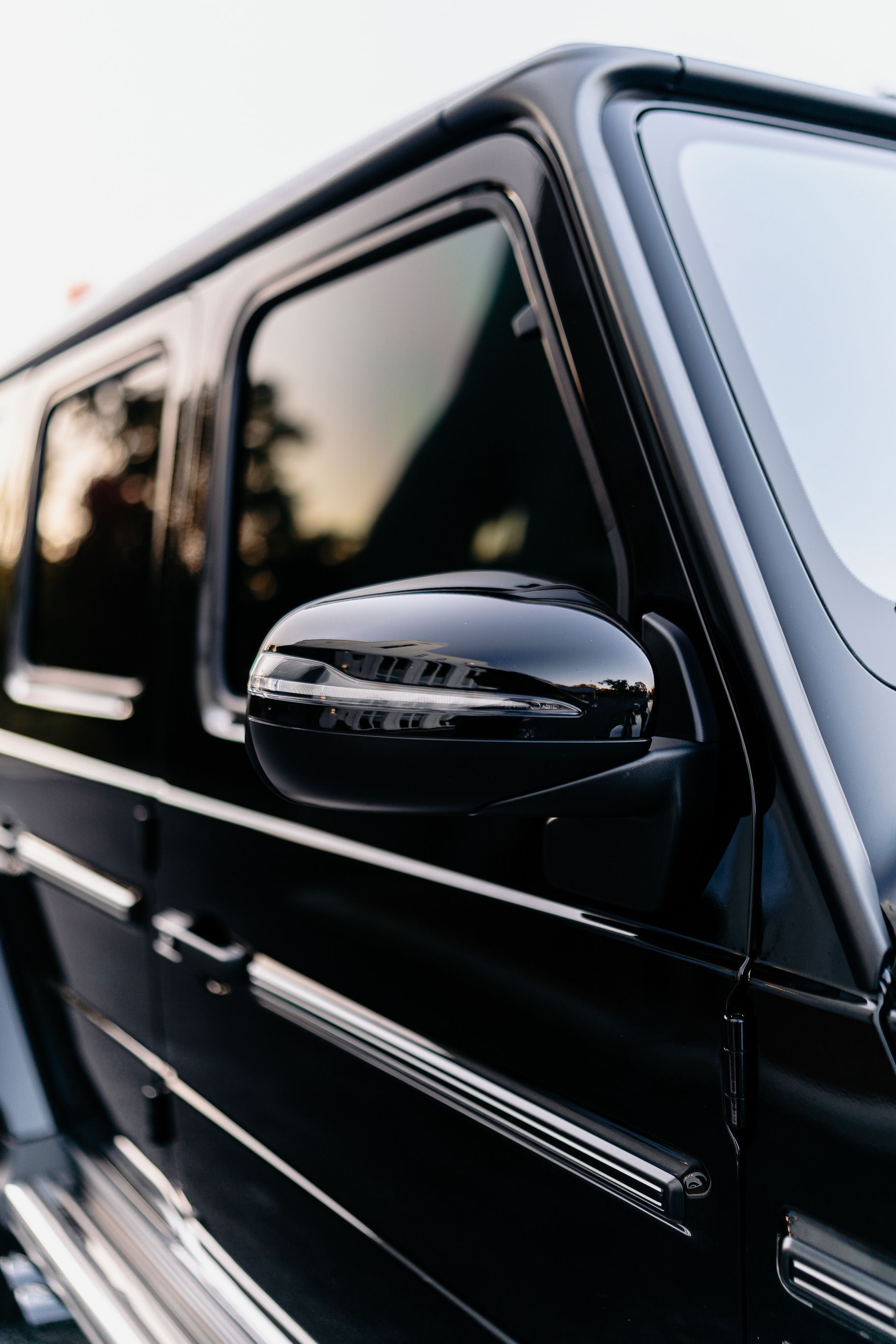
- Mirrors.
- Partial or full front fenders.
- Door cups and door edge guards.
- Rear bumper applique.
Its team also offers guidance based on the vehicle and the owner’s lifestyle.
Before requesting a recommendation, consider where you drive, where you park, and which areas already attract your attention during washing. Those observations help turn a general inquiry into a useful coverage discussion.
Why Professional Installation Still Matters
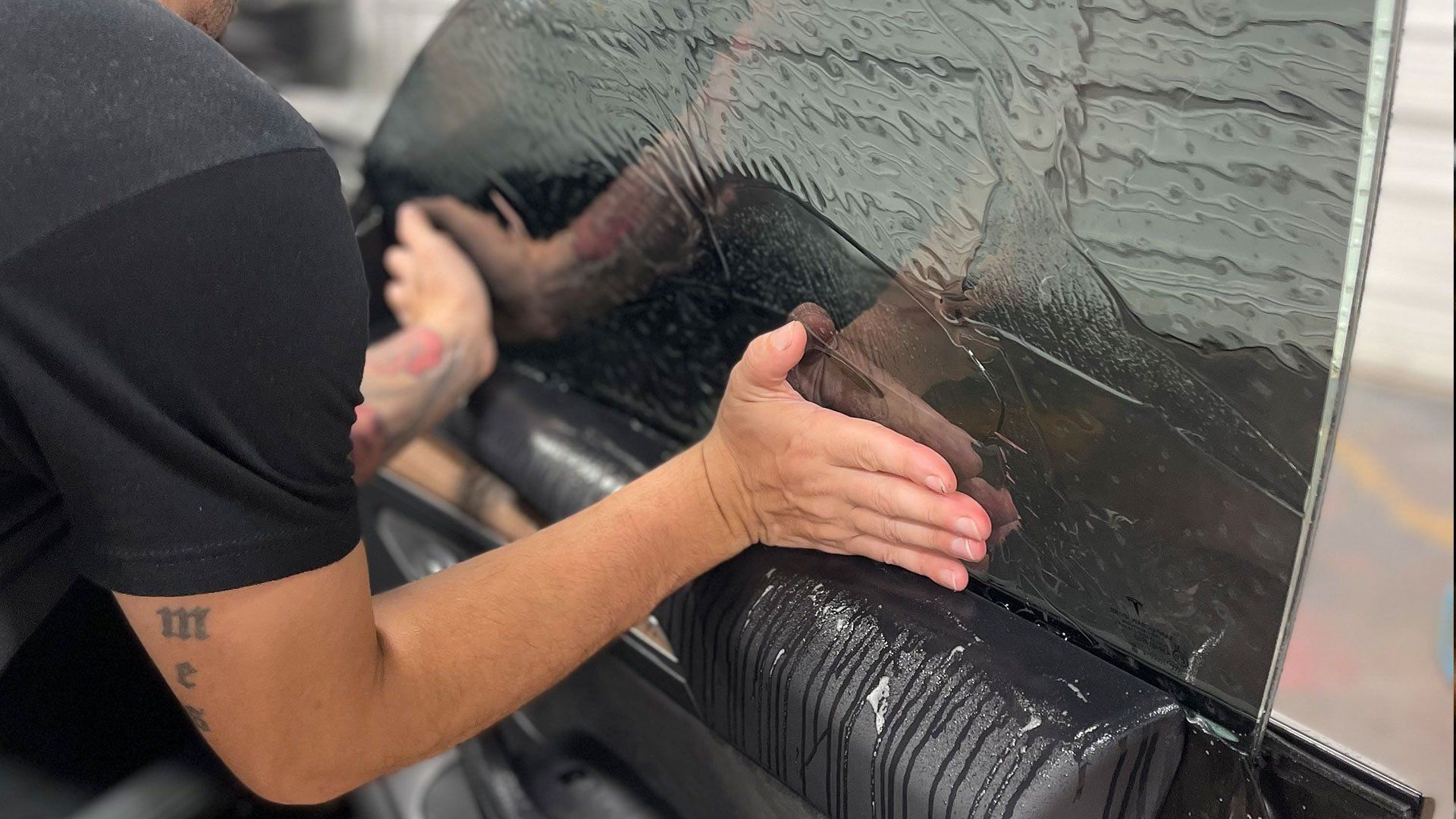
Self-healing technology cannot compensate for poor installation. The film needs to fit the vehicle correctly and present a clean, consistent appearance.
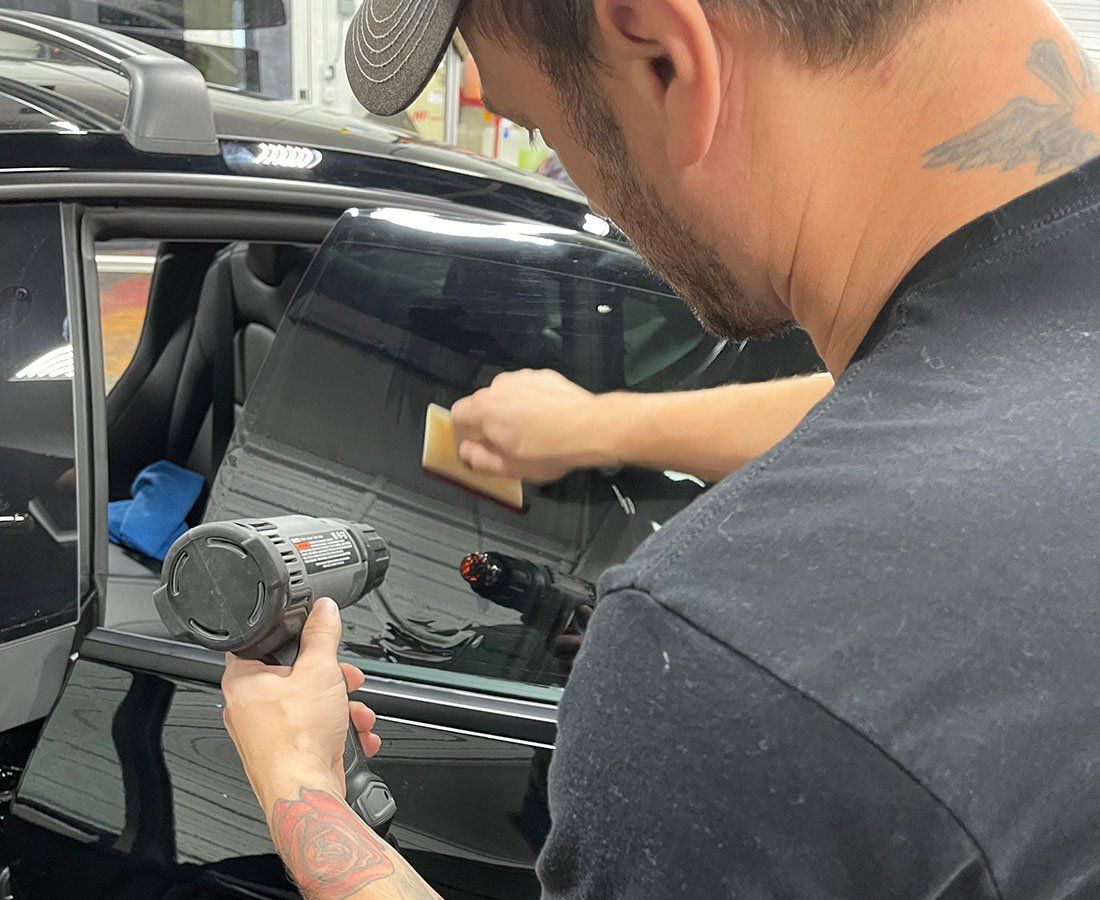
Firehouse Auto Spa describes an installation process involving vehicle-specific sizing, careful application, and adequate drying and curing time before delivery. These steps support the finished result beyond the film’s individual features.
When evaluating an installer, ask practical questions:
- Which film is recommended for my vehicle?
- What areas does the quoted coverage include?
- How will the existing finish be evaluated?
- How long should I wait before washing?
- What care instructions will I receive?
- Who should I contact if I notice an issue?
For a busy owner, clear answers make planning easier. Knowing the coverage, expected handover conditions, and maintenance requirements reduces uncertainty before the vehicle enters the shop.
Caring for Self-Healing Paint Protection Film
Self-healing capability supports maintenance; regular cleaning remains necessary.
Wash With Suitable Tools and Products
Standard PPF maintenance calls for pH-neutral soap and microfiber towels, regular washing to prevent contaminant buildup, and avoiding automatic brush washes, which can damage edges and reduce film clarity. Parking in shaded or covered areas and scheduling periodic professional inspections also help extend the life of the film.
A practical routine includes:
- Washing with pH-neutral soap.
- Using clean microfiber towels.
- Avoiding automatic brush washes.
- Washing regularly so contaminants do not build up.
- Checking edges for lifting during washing.
Follow the Film Manufacturer’s Instructions
Follow any care instructions provided at handover, including how long to wait before the first wash. Hand washing with soap, water, and a soft cloth is the standard approach for maintaining installed film. Follow any vehicle-specific instructions supplied at handover. If residue does not release through normal cleaning, ask Firehouse Auto Spa for advice before reaching for an abrasive polish or unfamiliar solvent.
Questions to Ask Before Selecting a Film
A useful consultation should connect product features with your expectations.
Ask about the specific film rather than relying on the general label “self-healing.” Firehouse Auto Spa’s SunTek page lists Reaction, Ultra, Ultra Matte, and Ultra Defense, each with its own features and finish. SunTek also notes that certain warranty restrictions apply, so review the terms and exclusions for the film in your quote.
Before booking, confirm:
- The product included in your quote.
- The appearance you want to preserve.
- The panels receiving coverage.
- The types of scratches that can recover.
- Applicable warranty terms and exclusions.
- Recommended ongoing care.
A warranty and a self-healing feature answer different questions. Review both so you understand the protection you are purchasing.
Explore Self-Healing PPF With Firehouse Auto Spa
Choosing exterior protection becomes easier when the technology matches your priorities. Self-healing PPF offers a useful combination: a physical barrier over covered paint and a surface designed to recover from certain minor scratches.
For drivers searching for auto detailing in Jacksonville, FL, a focused discussion about paint protection can help clarify coverage, maintenance, and realistic expectations.
Contact Firehouse Auto Spa at (904) 747-2785 to compare your needs with the available SunTek options.