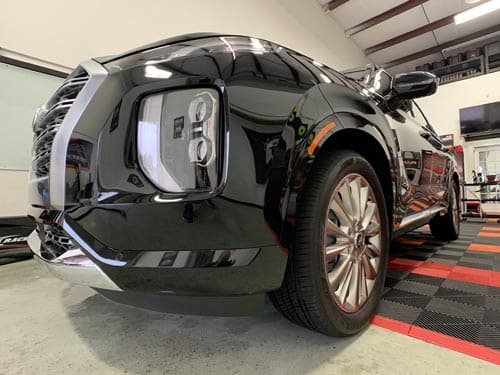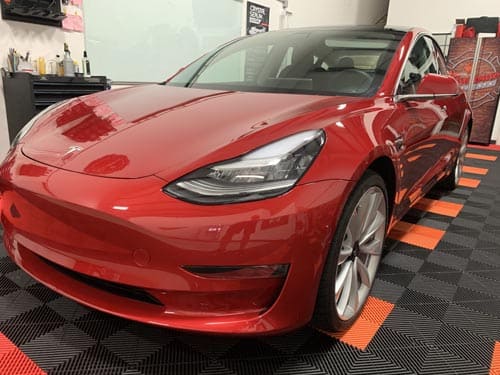
Yes, paint protection film (PPF) can be removed without damaging the paint underneath when the removal is done carefully by a professional. At Firehouse Auto Spa in Jacksonville, FL, we install SunTek paint protection film, and careful removal is part of how we handle replacement. The condition of the finish underneath matters, especially if a panel has been repainted or repaired.
If you’re considering film for a new vehicle, it’s reasonable to ask what happens when it eventually needs to come off. If you already have film, the question is usually more immediate. Maybe a rock caught the leading edge of your hood, or the clear film on a used car looks cloudy and you have no record of when it was installed. In either case, the decision starts with figuring out what condition the film is in, what you know about the paint underneath, and whether you still want that area protected.
Does Paint Protection Film Removal Damage Paint?
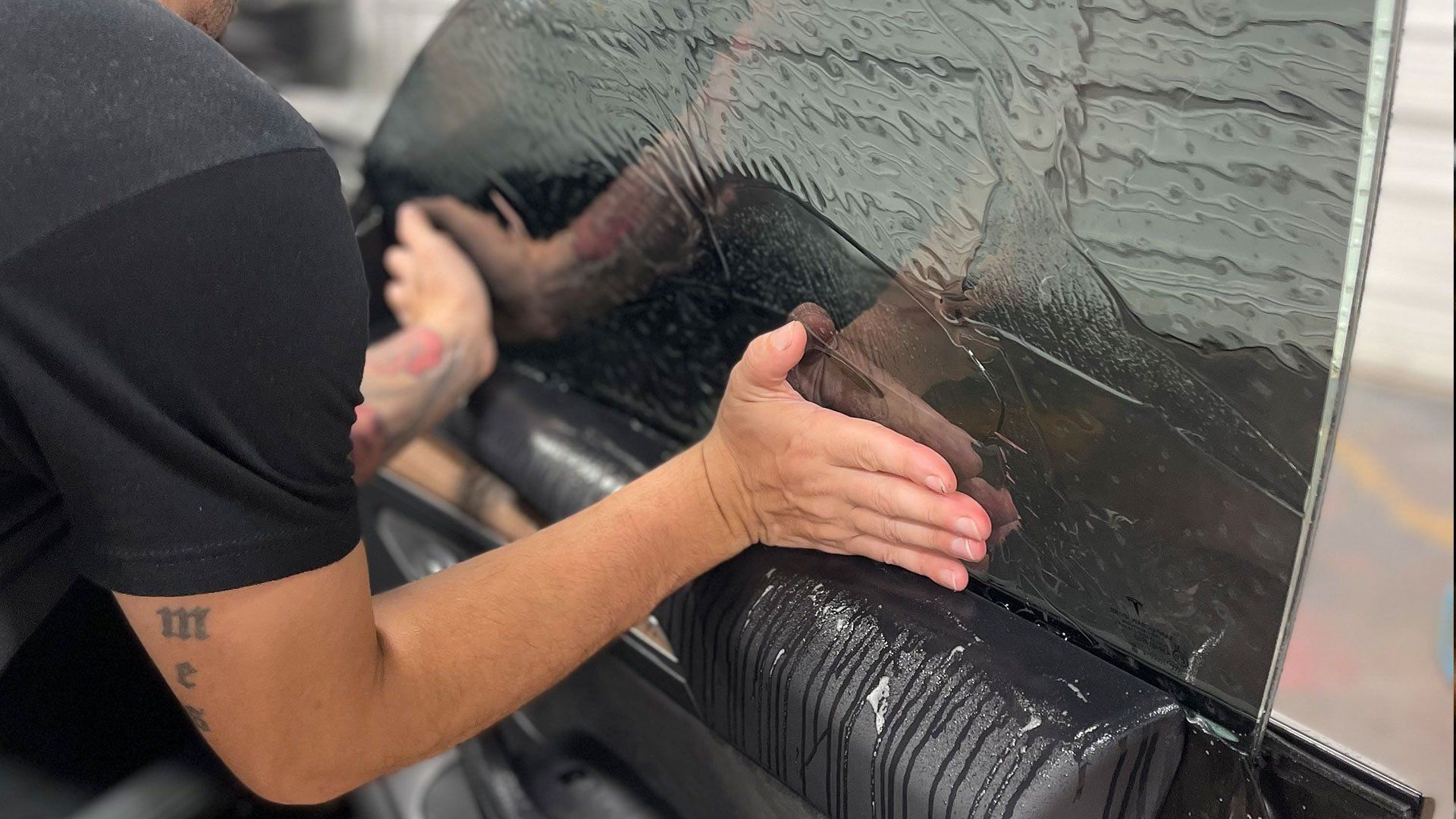
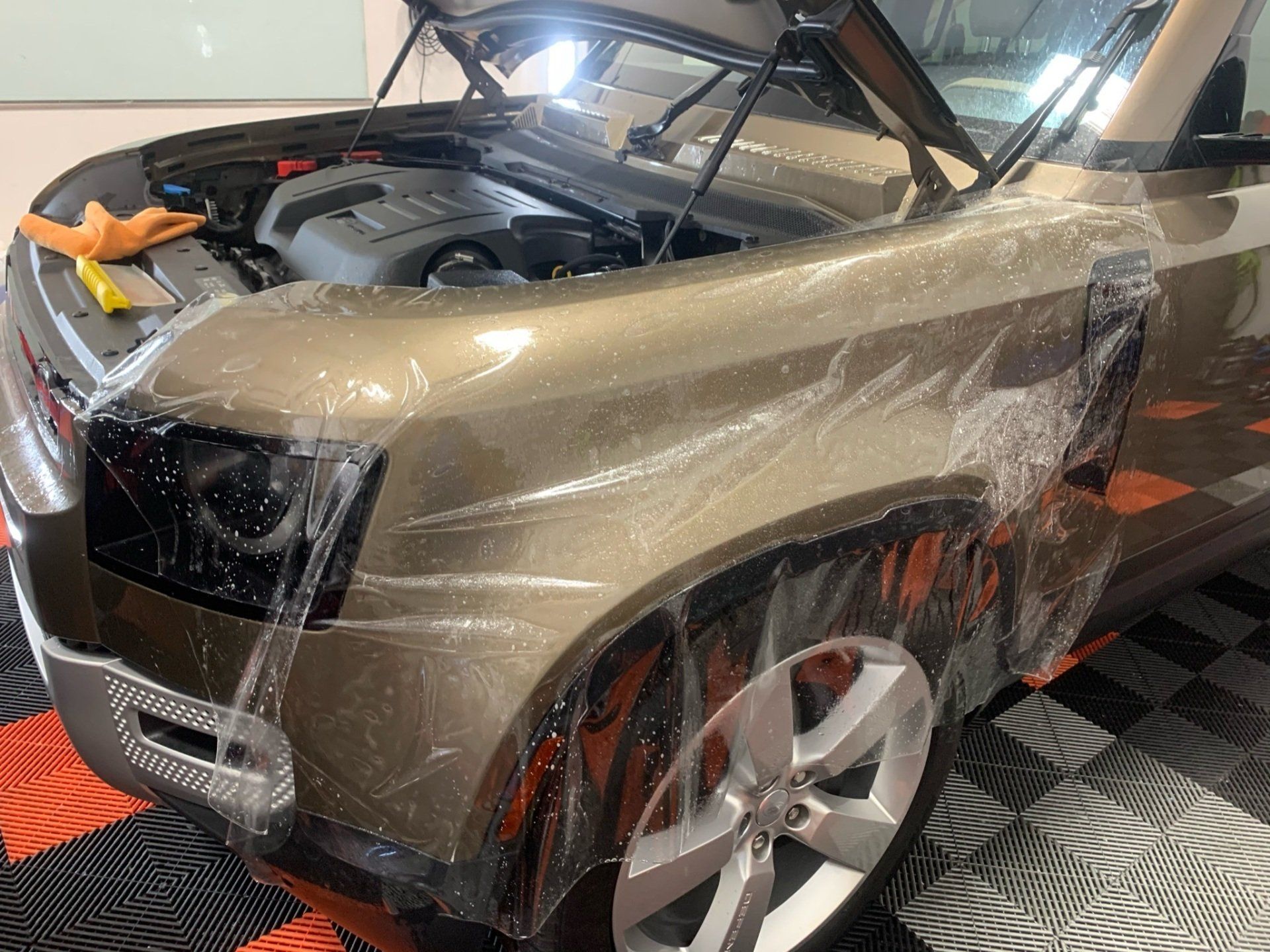
Careful professional removal is meant to protect the paint, not harm it. PPF is a transparent urethane layer applied directly to a vehicle’s painted surfaces, and removing it properly is part of our replacement process. We remove the existing film without damaging the paint, and if we find surface imperfections underneath, paint correction is available.
Why Each Panel’s Paint History Matters
Two panels on the same vehicle can have different histories. The hood might still wear its original finish, while the bumper was repainted after a parking lot scrape. Both panels may look equally glossy under clear film. If you know about a repair like that, mention it when we discuss removal. If you bought the car used and the history is unclear, tell us that too. The condition of the paint is one of the factors that affects how complex a removal is and what the replacement will cost.
Film Residue vs. Damage to the Finish
It also helps to separate leftover film residue from damage to the finish. A tacky patch after removal is a different situation from a chip, flake, or area of peeling clear coat. Once the film is off, the exposed area can be examined, and any surface imperfections can be addressed before fresh protection goes on.
What Happens During the PPF Removal Process?
From an owner’s perspective, three things matter. The film is removed carefully, the exposed panel is checked, and the new film is installed only after that. Here’s how each part works at our shop.
Step 1: Careful Film Removal
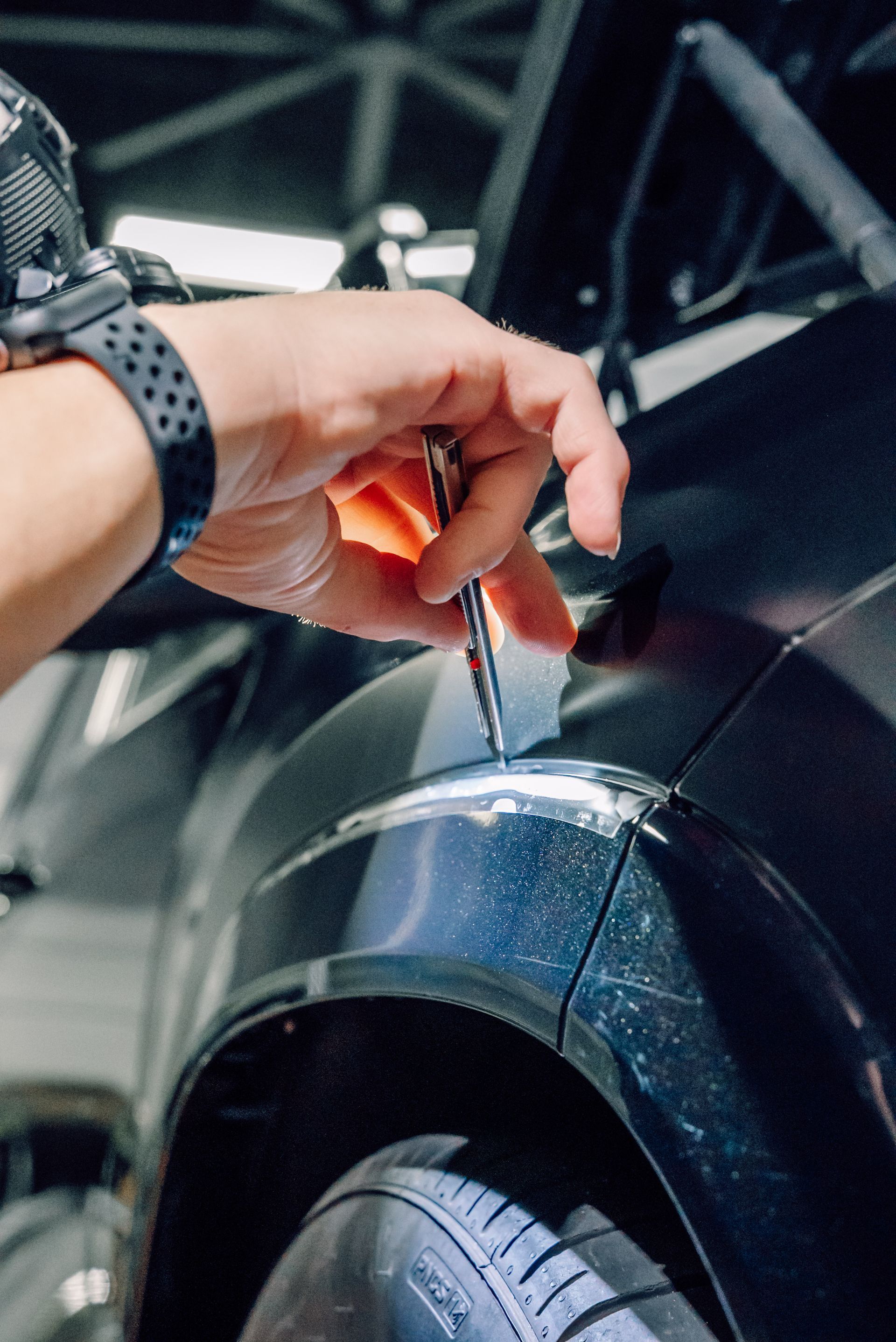
We remove the existing film without damaging the paint underneath. Even when a corner has already lifted, it’s worth leaving the rest in place until we can look at it. A lifted corner tells you very little about how the film will come off across the rest of the panel.
Step 2: Checking the Exposed Finish
Once the film is off, it’s easier to see whether a visible mark was confined to the film or extends into the paint. If surface imperfections turn up underneath, paint correction services are available, and we address them before choosing replacement coverage.
Step 3: Installing the New Film
We measure and cut the new film for a custom fit before it goes on, and we apply it carefully to prevent bubbling, tears, or cracking. We also allow adequate curing and drying time so any issues are caught before your vehicle is returned to you.
How to Describe the Job When You Schedule
If you’re scheduling around a commute or planning where to leave a weekend car, explain the scope up front. “There’s a torn section on the passenger-side front fender” gives us a better starting point than “I need the clear bra taken off.” Photos of the whole panel and a close-up of the affected area make it easier to point out what you’re seeing.
When Is Replacing Paint Protection Film Worth It?
Replacement is worth considering when the film has lost its appearance or can no longer protect the area you care about. It isn’t always urgent at the first sign of aging, but it becomes a real consideration when several issues appear together. Here’s what to look for.
A Rock Impact Has Torn or Punctured the Film
SunTek’s self-healing film is designed to help with light surface scratches. A tear is a break in the material itself. If the bumper sees regular highway use and you still want that area protected, a torn section gives you a practical reason to consider replacement.
An Edge Has Lifted
Heat cycles and adhesive aging can cause edges to lift, which lets dirt and moisture get underneath. Pay attention to where the lifting starts and how far it extends. An edge along a wheel opening or around a bumper corner can be easy to miss until the area is clean.
Haze or Discoloration Persists
If the film looks cloudy or less transparent, it may be surface wear or environmental buildup. Yellowing or a color shift can also develop over time, especially with the UV exposure we get in Florida. If the cloudiness doesn’t clean off and the appearance bothers you, replacement is worth discussing.
Water No Longer Beads or Rolls Off
A change in how water behaves on the surface can point to declining surface performance, which is worth checking alongside the other signs.
Age can give you context, especially if you have the original invoice, but use it alongside what you can see. An older piece that remains clear and firmly attached presents a different decision from a newer piece that’s been cut by debris. If several of these signs apply, a professional inspection is the best next step.
Can You Replace PPF on Just One Panel?
It depends on how your film was installed and where the damage is. Our SunTek packages cover specific areas of the vehicle, so we can look at the affected area and talk through your options. If the damage is limited to one spot, a focused replacement may be enough. If several areas show age, the conversation changes.
Comparing Old and New Film Side by Side
If fresh film will sit next to older material, look at how the neighboring panels appear together. Compare their gloss and clarity in daylight, when differences are easier to see. This matters most if you’re keeping a vehicle for years and care about a consistent finish across the front end.
Matching Your Coverage to How You Drive
Replacement also gives you a chance to see whether the old coverage suits the way you drive today. If you bought a used vehicle with partial hood coverage, look at where chips or marks appear relative to the film edge. Our SunTek packages give you room to adjust:
- Wear & Tear: door cups, door edge guards, and rear bumper applique.
- Premium: front bumper, partial hood, mirrors, and partial front fenders.
- Elite: front bumper, full hood, mirrors, and full front fenders.
- Platinum: everything in our Elite and Utility packages.
Each package has additional coverage options, so we can tailor the coverage to where your vehicle takes the most impacts.
What to Share Before Requesting a PPF Quote in Jacksonville, FL
If you’re comparing auto detailing shops in Jacksonville, FL, start with the affected panel and what you want to accomplish. These details give us a clearer picture of the work you’re asking about.
Vehicle and Affected Area
Share the year, make, and model, along with the specific panel. A wide photo shows the surrounding coverage, and a close-up helps show the tear, discoloration, or lifted edge.
Records for the Existing Film
Include the brand, approximate installation date, and original invoice if you have them. SunTek’s manufacturer’s limited warranty has restrictions that vary by product, so knowing what’s installed helps if you have a warranty question.
Paint or Repair History
Mention any known refinishing, including work done before you owned the vehicle. The condition of the existing paint affects how complex the removal is and whether correction is needed before new film goes on.
Your Preferred Outcome
Tell us whether you’re trying to restore the appearance of one panel, renew protection in the same places, or rethink how much of the front end you want covered. That gives us a starting point for discussing installation options.
Plan Your Next Step With Firehouse Auto Spa
If you’re deciding what to do about aging or damaged film, start with the condition of the affected panel and the coverage you want going forward. A single damaged area may call for a focused replacement, while signs of finish problems underneath warrant a closer look before fresh film goes on.
Request a PPF quote from Firehouse Auto Spa and tell us which areas you’d like to protect.