Choose a window tint percentage that gives you the privacy and appearance you want while preserving a clear view on your regular drives. If you commute before sunrise or come home after dark, start with a lighter shade for the front side windows. If your main concern is privacy for rear passengers or cargo, focus on the windows behind the driver and check the Florida limits for your vehicle. At Firehouse Auto Spa in Jacksonville, FL, we install SunTek carbon and ceramic window films and offer Window Strip, Front 2 Window Match, and Full Vehicle Surround packages.
If window tinting is part of your auto detailing plans in Jacksonville, FL, start by identifying the glass that affects you most. Think about the window you look through when turning out of your neighborhood, the side that gets the most sun on your commute, or the rear passenger glass beside a child’s seat. That gives you a clear starting point when choosing coverage and shade for your vehicle.
What Does Window Tint Percentage Mean?
Window tint percentage describes how much light a window lets in. Florida’s rules are written the same way. For example, the front windows on sedans and larger vehicles must allow in at least 28% of light. A lower number means less light gets through, and the glass appears darker. Our shade chooser runs from 5 to 70, with 5 the darkest option and 70 the lightest.
Because the limits apply to the windows on your vehicle, it helps to tell us about any factory privacy glass before you choose a shade near a legal limit. We can talk through which percentage suits each window and how it compares with the Florida requirements.
If you’re tinting your vehicle for cabin comfort, check heat rejection along with the shade. Our carbon window tint films are listed at 10% heat rejection, and our ceramic window tint films are listed at 75%. SunTek films also resist the sun’s UV rays, which can fade and wear down interior surfaces over time. Knowing whether darkness, heat, or UV protection matters most helps you choose a shade and film that fit the way you use your vehicle.
Florida Window Tint Limits by Window Position
Florida sets different limits depending on where the film is installed and what you drive. The requirements for sedans differ from those for minivans, SUVs, and trucks, so confirm which category your vehicle falls into before choosing a shade close to the minimum.
- Windshield: Sedans, SUVs, minivans, and trucks are not allowed to have window tint film anywhere below the manufacturer’s AS-1 line. Look for the AS-1 marking on your windshield to see where that boundary sits.
- Front driver and passenger windows: Sedans and larger vehicles must allow in at least 28% of light. Film on these windows cannot be more than 25% reflective.
- Rear side windows: On sedans, the back windows must allow in at least 15% of light. On larger vehicles, they can allow in as little as 6%. Film on the back driver and passenger side windows can be no more than 35% reflective.
- Rear window: The same light requirements apply here: at least 15% for sedans, and as low as 6% for larger vehicles. Factor in how much you use the back window when backing into your driveway or parking space.
To learn more about these and other rules for window tint films in Florida, visit the Florida DOT website.
A Window Tint Darkness Guide for Everyday Driving
Our window tint page includes a shade chooser with six options: 5, 15, 20, 30, 50, and 70. Use it to get a sense of the look you want on your vehicle. Once you have a shade in mind, the position of the window and the Florida limit for your vehicle help determine whether that choice is suitable.
70% and 50% shades
Start here if you want a subtle change or spend a lot of time driving after dark. These shades are a good starting point when you want to preserve more light for checking your mirrors, turning onto unlit streets, and parking in a garage.
30% shade
This shade gives the glass a more noticeable tint. It sits close to Florida’s 28% minimum for the front windows, so talk with us about your vehicle and any factory privacy glass before choosing it for the front doors.
20% and 15% shades
These shades are worth considering for rear passenger privacy. A 15% shade is right at the minimum for the rear glass on a sedan, so check the requirements for your vehicle and tell us about any factory privacy glass before choosing it.
5% shade
This is the darkest shade in our shade chooser. It is darker than Florida’s 15% minimum for a sedan’s rear glass and darker than the 6% minimum for larger vehicles, so it is not a match for the rear windows on either. Let the requirements for each window guide your choice.
What Is the Best Tint Percentage for Your Vehicle?
Sedans and Daily Drivers
Start with the front side windows on a daily-driven sedan. You look through that glass when turning, checking for cross traffic, and pulling into a parking space. Think about a familiar intersection and the amount of light it gets at the time you usually drive through it. If that intersection is dim, give yourself room above the 28% minimum when deciding on a shade. For more privacy in the back seat, look at the rear passenger windows separately, and remember that a sedan’s back glass must allow in at least 15% of light. Consider how well you can see through the rear glass when reversing.
SUVs and Trucks With Factory Privacy Glass
Take a look at the rear seats and cargo area from outside your vehicle during the day. If the existing glass already gives you the privacy you want, your tint plans may only involve the front doors. Our Front 2 Window Match package covers those two windows. When choosing the shade, use the factory glass as a visual reference and make sure the front windows meet Florida’s 28% requirement. If you want to add film to the rear glass, keep in mind that larger vehicles can go as low as 6% there, and tell us what your factory glass already looks like before picking a percentage.
Sports Cars and Coupes
Sit in your normal driving position and notice how much of the road you can see through the rear and side windows. On a coupe with a low roofline or a narrow rear window, you may depend heavily on a small area of glass when changing lanes or backing out of a space. Give that view some weight when choosing a shade. If you’re tinting primarily for appearance, view the shade in daylight alongside the paint and trim, then consider how much light you want coming through the same windows on the drive home after dinner.

How to Decide What Tint Percentage to Choose for Your Routine
Think through a full week of driving, including the trips you take outside your usual commute. Where you park, who rides with you, and which windows you use most can help you decide where to add privacy and where to preserve more light.
- Early commutes and late arrivals: Give the front door glass priority if you regularly pull out before daylight or turn into a residential street after dark. Think about the least-lit intersection on your route and how much you depend on the view through the side windows there.
- Family trips and gear in the back: If you want more privacy for children, sports bags, or luggage, focus on the glass around those areas. A dark tint helps keep prying eyes away from items sitting in your vehicle. Privacy can change with the light, especially when cabin lights come on after dark.
- Sunny stretches of highway: Jacksonville gets plenty of sun, and parked vehicles often sit out during the hottest part of the day. If heat and UV exposure are your main concerns, compare the heat rejection of our carbon and ceramic films. If you’re considering our Window Strip package for the windshield, remember that Florida allows no film below the AS-1 line.
- Tight garages and parking decks: Think about how you get back into your usual space. If you turn and look through the rear glass to judge distance, choose a shade with that maneuver in mind. Pay attention to the lighting where you actually park, especially if a wall or column casts a shadow across the space.
Choose Your Window Tint With Firehouse Auto Spa
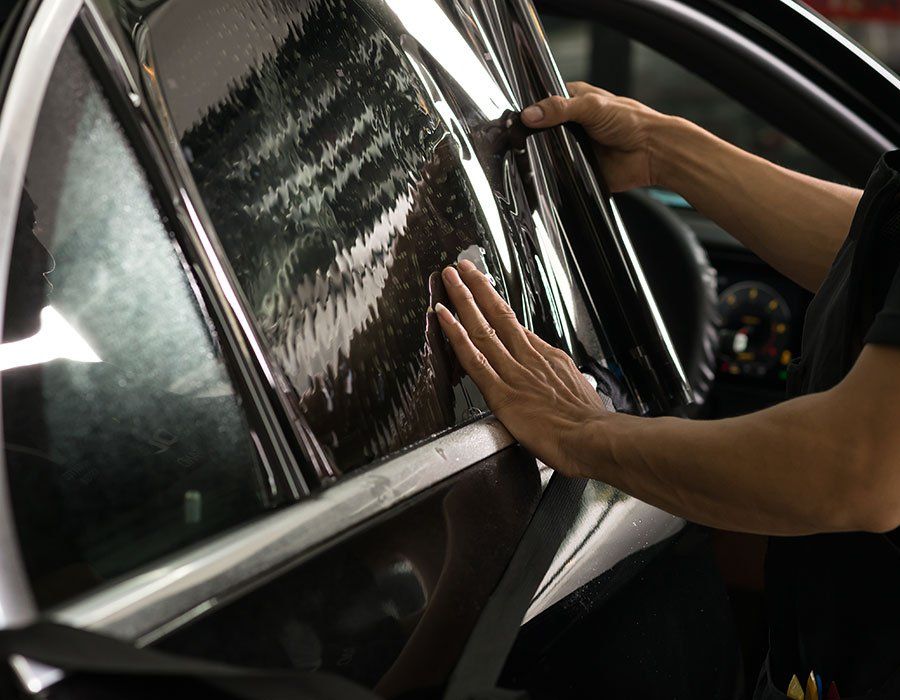
Before choosing a shade, decide which windows you want covered and what you want to improve. We offer a Front 2 Window Match package for drivers who want to tint the front doors, a Window Strip package, and Full Vehicle Surround packages. Each is available in SunTek carbon and ceramic films, and all SunTek window tint comes with a lifetime warranty against defects such as discoloration, fading, bubbling, peeling, cracking, and delamination. Tell us about any factory privacy glass and how often you drive in low light so we can help you narrow down your options.
Request a window tint quote and tell us what you drive, which windows you want tinted, and whether privacy, UV protection, or cabin comfort matters most to you.