Window tint in Florida can provide years of comfort and a clean, consistent appearance, but it does not have a universal expiration date. Film construction, installation quality, sun exposure, and maintenance all influence its useful life. Firehouse Auto Spa does not publish a set lifespan for its tint. Its window tinting page states that all SunTek window tint carries a lifetime warranty covering defects such as discoloration, fading, bubbling, peeling, cracking, and delamination, with complete details available from the shop.
For drivers who value their vehicle’s appearance, the better question is whether the tint continues to perform well. Clear visibility, stable color, and secure edges matter more than reaching a particular anniversary.
This guide covers how different films compare, what affects window tint lifespan in Florida, and which changes deserve professional attention.
What Determines Window Tint Lifespan?
Automotive window tint is a manufactured film system. Its performance depends on more than the material used to reduce sunlight. The film’s construction, adhesive, protective surface, and installation all contribute to the finished result.
That explains why two vehicles tinted around the same time may look different years later. One owner may have documentation identifying a premium product, while another may know only the shade percentage.
When comparing longevity claims, ask:
- What is the exact manufacturer and film series?
- What does the written warranty cover?
- Which cleaning products are approved?
- What aftercare instructions apply to this installation?
“Ceramic” or “carbon” describes a category, but the specific product provides the information needed to make a useful comparison.
How Different Window Tint Films Compare
Firehouse Auto Spa’s window tinting lists carbon and ceramic options, both installed using SunTek film. Those are the most relevant choices to discuss when considering its services. Dyed film is included below as background for drivers evaluating an existing installation, rather than as an additional advertised offering.
Dyed Window Tint
Dyed film uses color to change the appearance of glass and reduce transmitted light. However, product quality varies, so it is inaccurate to assume every dyed film will fade quickly. The broad category alone says little about how a specific film will age.
If your current tint has turned purple or developed uneven shading, identify the product before deciding what to install next. Its history can help you distinguish an aging material from a different problem. If Firehouse installed the film, ask about warranty coverage, since the shop’s tint page lists discoloration and fading among covered defects.
Carbon Window Tint
Carbon films offer an alternative to conventional dyed construction. On Firehouse’s tint page, the carbon packages are Window Strip, Front 2 Window Match, and Full Vehicle Surround.
For an owner who wants a consistent appearance over several years, color stability is a meaningful consideration. However, the label alone does not establish an exact service life.
Compare the named product, written coverage, and installation details. A carbon film should be evaluated as a complete product rather than assigned a replacement date based solely on its material category.
Ceramic Window Tint
Ceramic films use ceramic technology to improve solar performance. Firehouse’s tint page lists ceramic packages for a window strip, Front 2 window match, Full Vehicle Surround, and Full Windshield.
For Jacksonville commuters, the appeal includes everyday comfort as well as appearance. The shop’s tint page notes that window tinting helps regulate interior temperature and keeps the air conditioner from being excessively taxed. A premium film can be worth considering when the vehicle spends substantial time outdoors or regularly carries passengers.
Still, ceramic construction does not make tint immune to scratches, poor installation, or improper care. It also does not justify promising that every ceramic product will last a fixed number of years longer than every carbon option.
Why Florida Conditions Matter
When evaluating window tint durability, Florida drivers should consider how their vehicle is used and stored. A garage-kept weekend car and a daily commuter parked outdoors have different exposure patterns.
Rather than subtracting a set number of years because the vehicle is in Florida, discuss those conditions when choosing the film.
Daily Sun Exposure
Think about your usual parking arrangement. Does the vehicle remain outside through the workday? Is covered parking available at home? Does one side regularly face direct afternoon sunlight?
These details provide useful context when discussing long-term expectations. They also make the conversation more practical than choosing a film based on appearance alone. Firehouse’s tint page notes that tint resists the sun’s ultraviolet rays, which can cause premature fading or degradation of interior surfaces.
Keep expectations realistic: heat rejection can improve comfort, but tinted glass does not turn a parked vehicle into a temperature-controlled space.
Installation and Drying Conditions
Conditions after installation also affect the early appearance of the film. Moisture used during application must dry, so newly tinted glass may temporarily look different from a fully cured installation.
Temporary moisture during curing should not automatically be treated as premature failure.
Your Ownership Plans
How long you intend to keep the vehicle affects the purchasing decision, even though it does not change the film itself.
For a long-term family SUV, documented durability and warranty support may carry substantial weight. For a newer vehicle, getting clear product information at installation helps you maintain an accurate service history from the beginning.
Either way, select the product around your priorities and expected ownership period.
Installation Quality Matters Alongside Film Choice
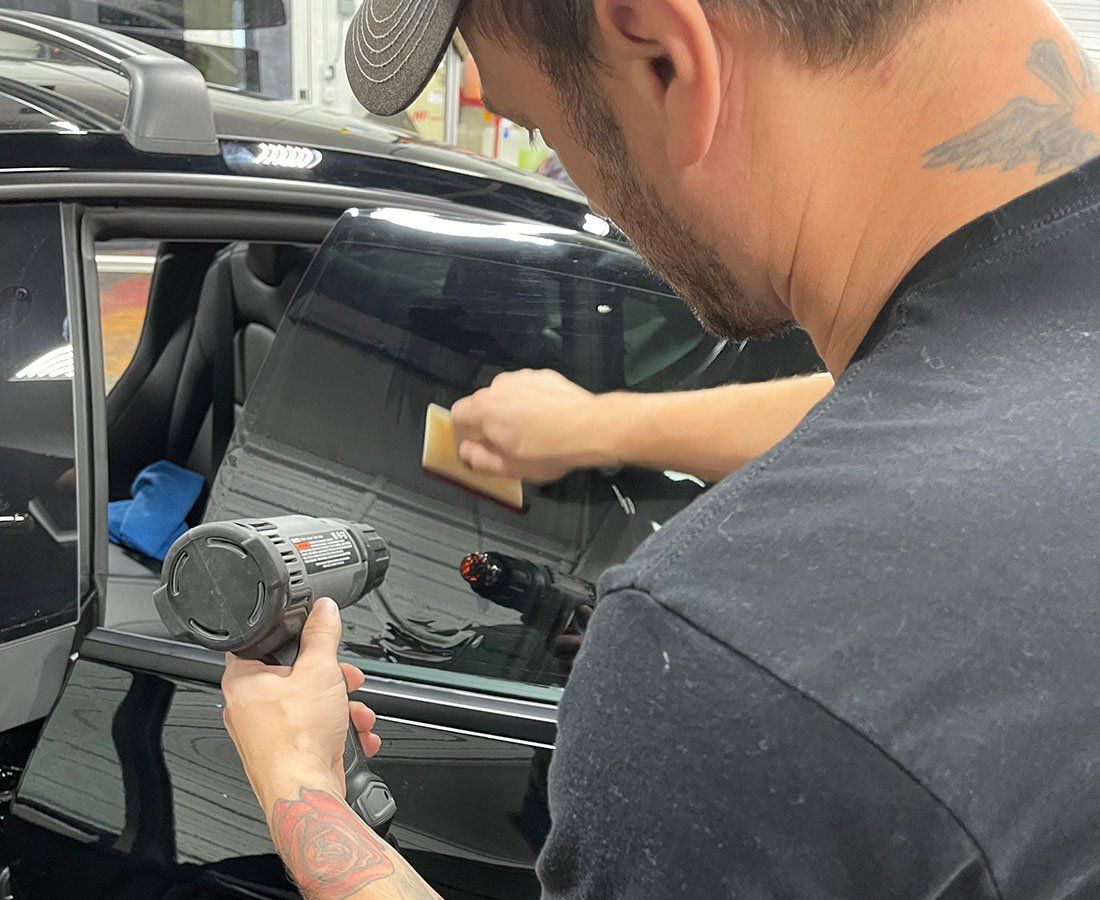
A premium material cannot answer every question about the finished installation. Installation quality is one of the factors that shapes how film looks and performs over time. Firehouse’s homepage states that its experts will ensure a proper fit for each vehicle.
Before booking, discuss how the glass will be prepared, what the finished edges should look like, and when the vehicle can return to normal use.
Useful questions include:
- Who should you contact if something looks unusual?
- When should temporary haze clear?
- What documentation will identify the installed film?
- How should an existing installation be evaluated?
For a detail-oriented owner, this information helps establish clear expectations. It also gives you a practical reference if an issue appears later.
Avoid judging the entire job immediately after application. Evaluate it according to the installer’s curing guidance, then raise any remaining concerns.


Tint Replacement Signs to Watch For
Age alone is an incomplete reason to replace window film. Changes in appearance, adhesion, or visibility provide more useful evidence that an inspection is needed.
Persistent or Spreading Bubbles
Moisture-related bubbles shortly after installation differ from bubbles that develop in older tint.
If bubbling appears after the film has been settled for months or years, photograph it and contact the installer. Bubbling is among the defects listed in Firehouse’s lifetime warranty, so the shop can advise on coverage. Do the same if new bubbles persist beyond the drying period the installer gave you.
Avoid puncturing or pressing them yourself. Let the shop assess the condition before attempting a correction.
Peeling Edges or Separating Layers
Edges that begin lifting, curling, or catching deserve attention. Separation within the film can also change its appearance.
Firehouse’s tint page lists peeling and delamination among the defects its lifetime warranty covers, and it directs customers to the shop for complete warranty details.
Ask for an assessment before assuming the problem requires replacing every tinted window.
Discoloration or Uneven Appearance
Purple, yellow, or patchy areas can make an otherwise carefully maintained vehicle look neglected. Compare the affected window with earlier photographs if available.
Firehouse’s tint page lists discoloration and fading among covered defects, but that does not make every appearance complaint an automatic warranty claim. Keep the invoice and product information available when requesting a review.
Scratches, Haze, or Distorted Visibility
Visible damage becomes especially important when it interferes with your view.
First determine whether the problem is dirt, residue, glass damage, or the film itself. Cleaning cannot resolve every cloudy area, and aggressive scrubbing may make matters worse.
Describe when the issue is most noticeable, such as in direct sunlight or around headlights. That gives the professional inspecting the window useful context.
How to Help Your Window Tint Last
Good maintenance should be straightforward. The goal is to clean the surface without introducing unnecessary abrasion or disturbing the installation.
Follow the Initial Aftercare Instructions
Keep the installer’s directions accessible during the first few days. Follow the stated waiting period before operating or cleaning the windows.
If the appearance concerns you during curing, send photographs to the shop. An early check can help distinguish normal drying from something that needs attention.
Do not substitute a generic online timetable for instructions tied to your product and installation.
Use Gentle Cleaning Methods
Use ammonia-free cleaners and microfiber towels to prevent scratching or film damage.
Confirm the recommendations for your film before using a new cleaner. Keep a clean towel for interior glass, and avoid trying to scrape away marks with sharp objects.
Careful cleaning supports appearance without making routine maintenance complicated.
Check the Film During Regular Vehicle Care
An occasional visual check can fit into your normal cleaning routine. Look at the edges, compare color across windows, and notice whether any cloudy areas remain after cleaning.
There is no need to treat every small mark as a replacement emergency. Record developing concerns and have them assessed before they become a larger distraction.
Does a Lifetime Warranty Mean Tint Lasts Forever?
A lifetime warranty describes coverage under stated conditions. It is not a promise that the film cannot age or suffer damage.
All SunTek window tint carries a lifetime warranty covering defects such as discoloration, fading, bubbling, peeling, cracking, and delamination. The page refers customers to the shop for complete warranty details, so understanding those terms is more useful than relying on the word “lifetime” alone.
Before purchasing, confirm:
- What “lifetime” means in the agreement
- Whether coverage transfers to another owner
- Which failures and costs are covered
- What records are needed for a claim
Keep the answers with your vehicle documents.
Choosing Window Tint in Jacksonville
If you are searching for auto detailing Jacksonville, FL, services while planning window tint, compare more than the initial appearance. Ask which film suits your comfort goals, what maintenance it requires, and how support works after installation.
A useful consultation should leave you knowing what will be installed and how to care for it. Whether your current tint is aging or you are protecting a newly purchased vehicle, those details help you make a confident decision.
Contact Firehouse Auto Spa at (904) 747-2785 to discuss window tinting in Jacksonville, compare carbon and ceramic options, and request a quote.