How Long Does Paint Protection Film Last and When Should You Replace It?
Paint protection film has become one of the most trusted solutions for preserving a vehicle's finish, especially for drivers who view their vehicle as a long-term investment rather than just transportation. Whether it is a luxury sedan, performance coupe, or family SUV, paint protection film is engineered to act as a durable barrier between your paint and everyday driving hazards.
But one of the most common questions vehicle owners ask is simple: how long does paint protection film last?
The answer is not a single fixed number. Lifespan depends on film quality, installation precision, environmental exposure, and how well the vehicle is maintained over time. In real-world conditions, some films may begin showing signs of aging within a few years, while premium installations can remain clear, stable, and highly effective for many years when properly cared for.
For drivers researching paint protection film services in Jacksonville, FL, understanding lifespan expectations is critical. It helps you avoid premature replacement, unnecessary costs, and confusion when evaluating the condition of your current film.
This guide breaks everything down in practical terms so you can confidently understand performance, longevity, and replacement timing.
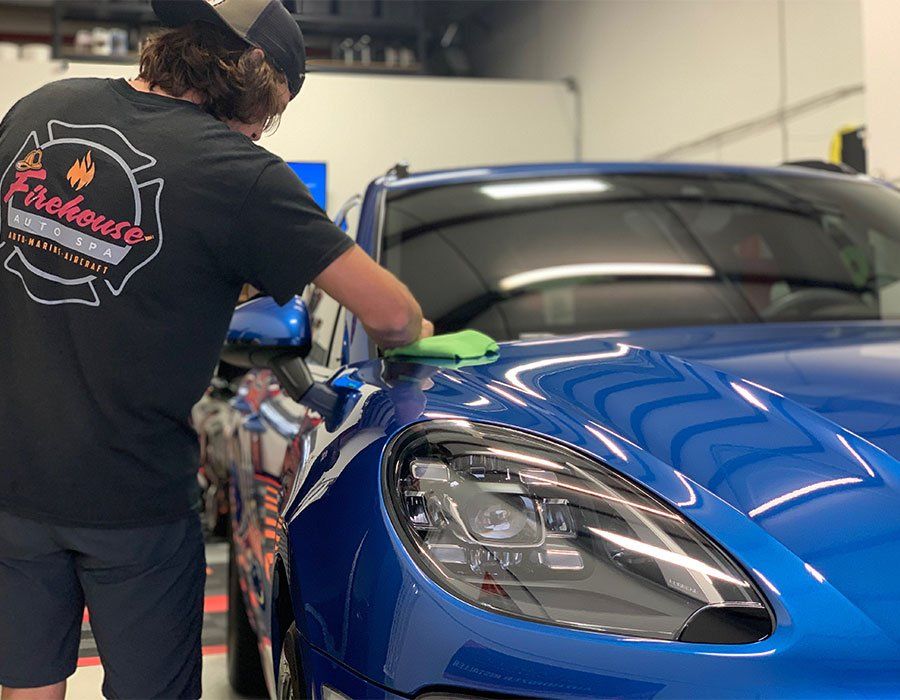
What Is Paint Protection Film and How It Works
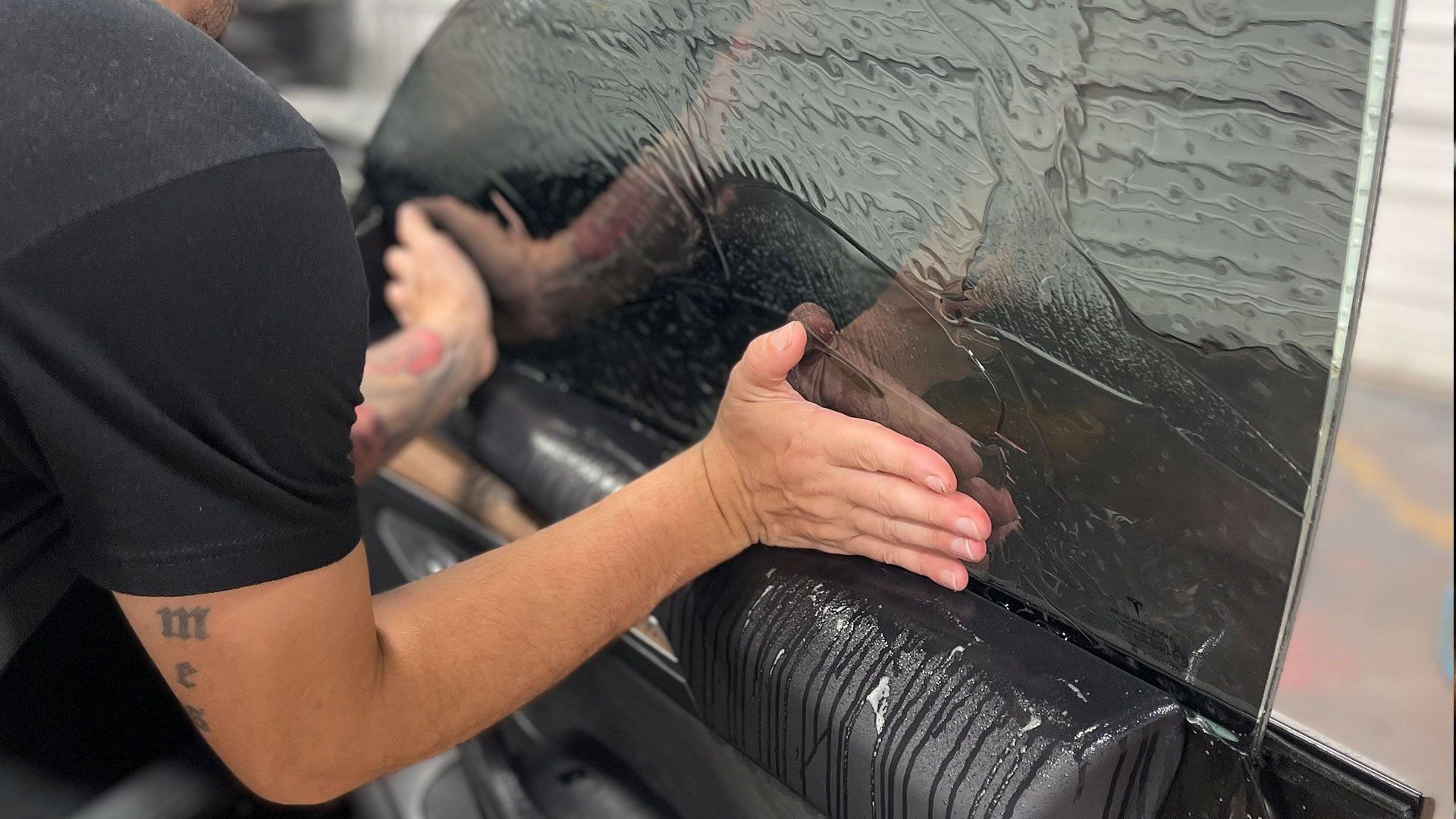
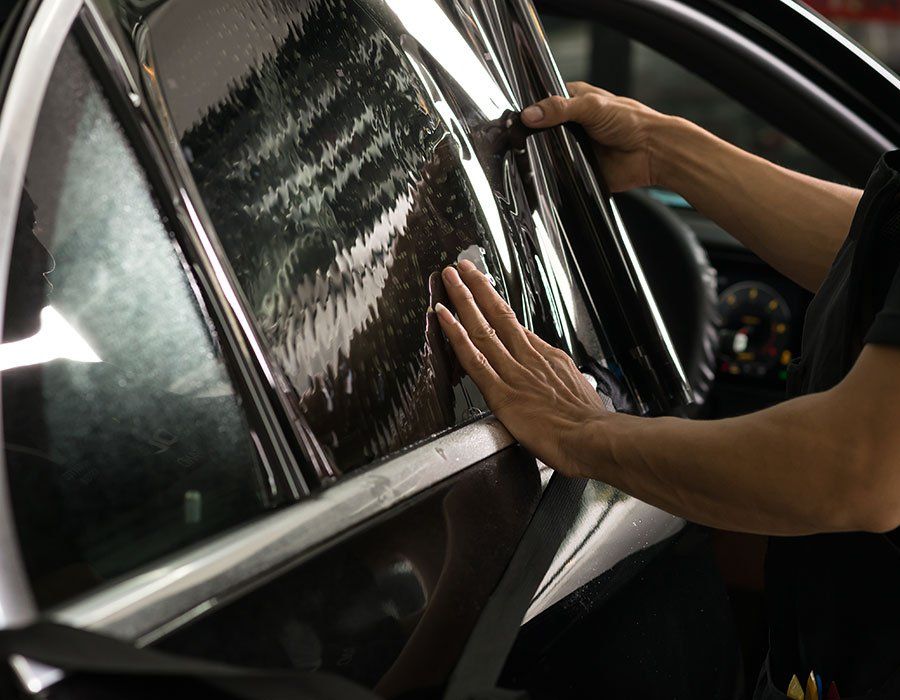
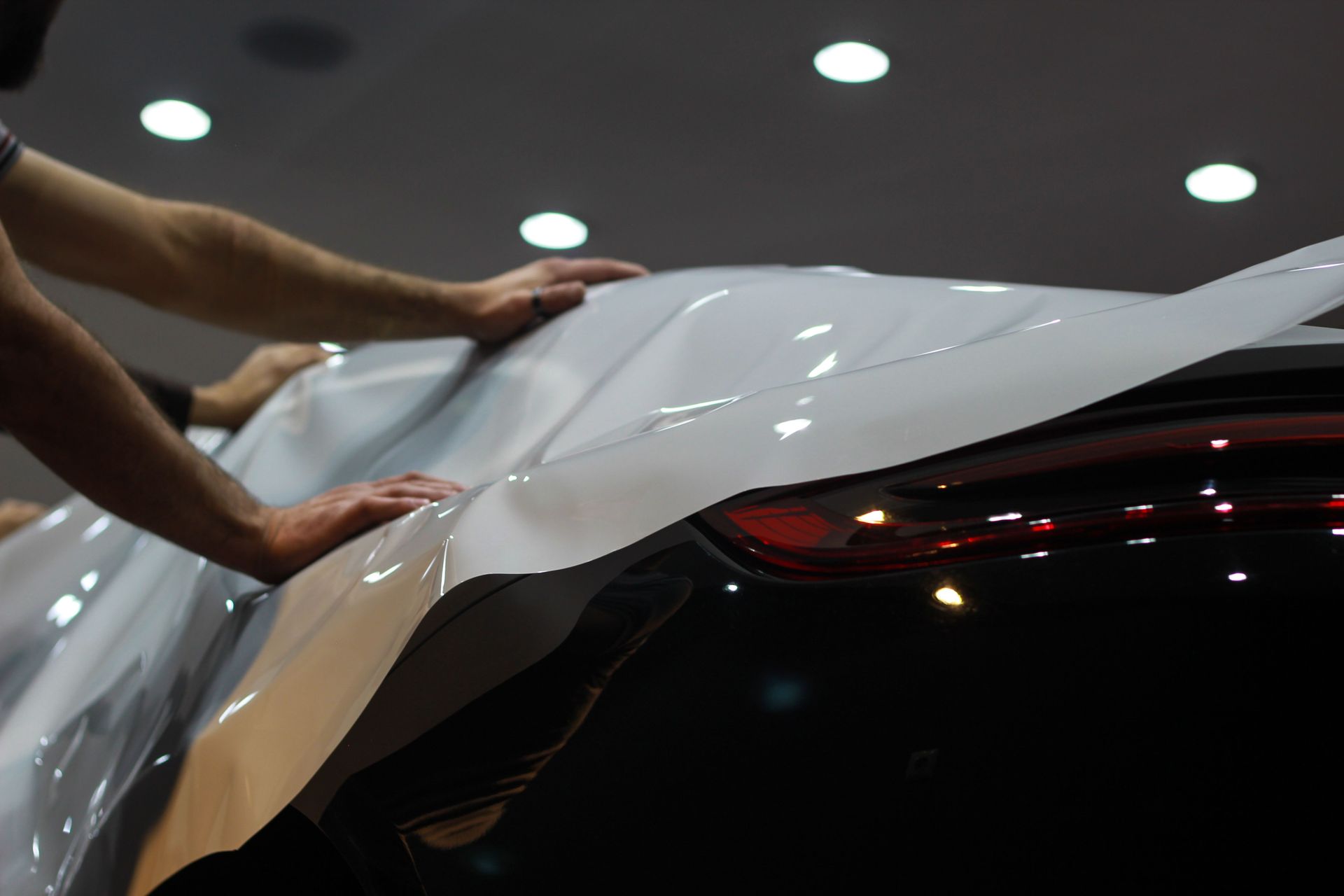
Paint protection film is a transparent urethane-based layer applied directly to a vehicle's painted surfaces. Its purpose is to preserve the factory finish by absorbing external impact and reducing exposure to environmental damage.
Modern PPF is constructed from a highly flexible urethane material designed to absorb minor impact from road debris while bonding securely to your vehicle's painted surfaces.
Once installed, paint protection film functions as a sacrificial barrier. Instead of your paint absorbing damage from road debris, UV exposure, or contaminants, the film takes the impact.
In environments like Florida, where heat, humidity, and intense UV exposure are constant factors, PPF becomes especially valuable for long-term vehicle preservation and appearance retention.
Average Paint Protection Film Lifespan Explained
There is no universal expiration date for paint protection film, but most professionally installed systems fall within general performance ranges based on material quality and usage conditions. At Firehouse Auto Spa, every package is built on SunTek paint protection film and backed by a 10-year warranty, so lifespan expectations stay consistent regardless of which coverage level you choose.
Wear & Tear Package
The Wear & Tear package focuses on high-friction areas such as door cups, door edge guards, and the rear bumper applique. It is a popular starting point for owners who want targeted protection against everyday nicks and scuffs.
Premium and Elite Packages
The Premium and Elite packages expand coverage to the front bumper, hood, mirrors, and front fenders, with Elite offering full hood and full fender coverage. Both are common choices for daily-driven vehicles that need broader defense against road debris while keeping a clean, factory-like appearance.
Platinum Package
The Platinum package combines full Elite coverage with complete additional coverage for maximum protection. Because every package uses the same SunTek film, choosing a higher tier is about expanding coverage area, not upgrading to a different grade of material, which is what makes Platinum the most comprehensive long-term option.
Key Factors That Affect PPF Lifespan in Florida
Even the highest-quality film is influenced heavily by environmental conditions and maintenance habits. In Jacksonville and surrounding coastal regions, several key factors impact longevity.
Sun Exposure and UV Intensity
Constant exposure to strong sunlight can gradually impact film clarity and surface stability over time.
Heat and Humidity
High humidity and temperature fluctuations place continuous stress on adhesives and film structure, especially if installation quality is not optimal.
Coastal Air and Salt Exposure
Vehicles near coastal areas are exposed to salt particles that can accelerate surface wear if regular washing is not maintained.
Maintenance Practices
Proper cleaning routines significantly extend film lifespan by preventing buildup of contaminants that degrade surface quality.
Installation Quality
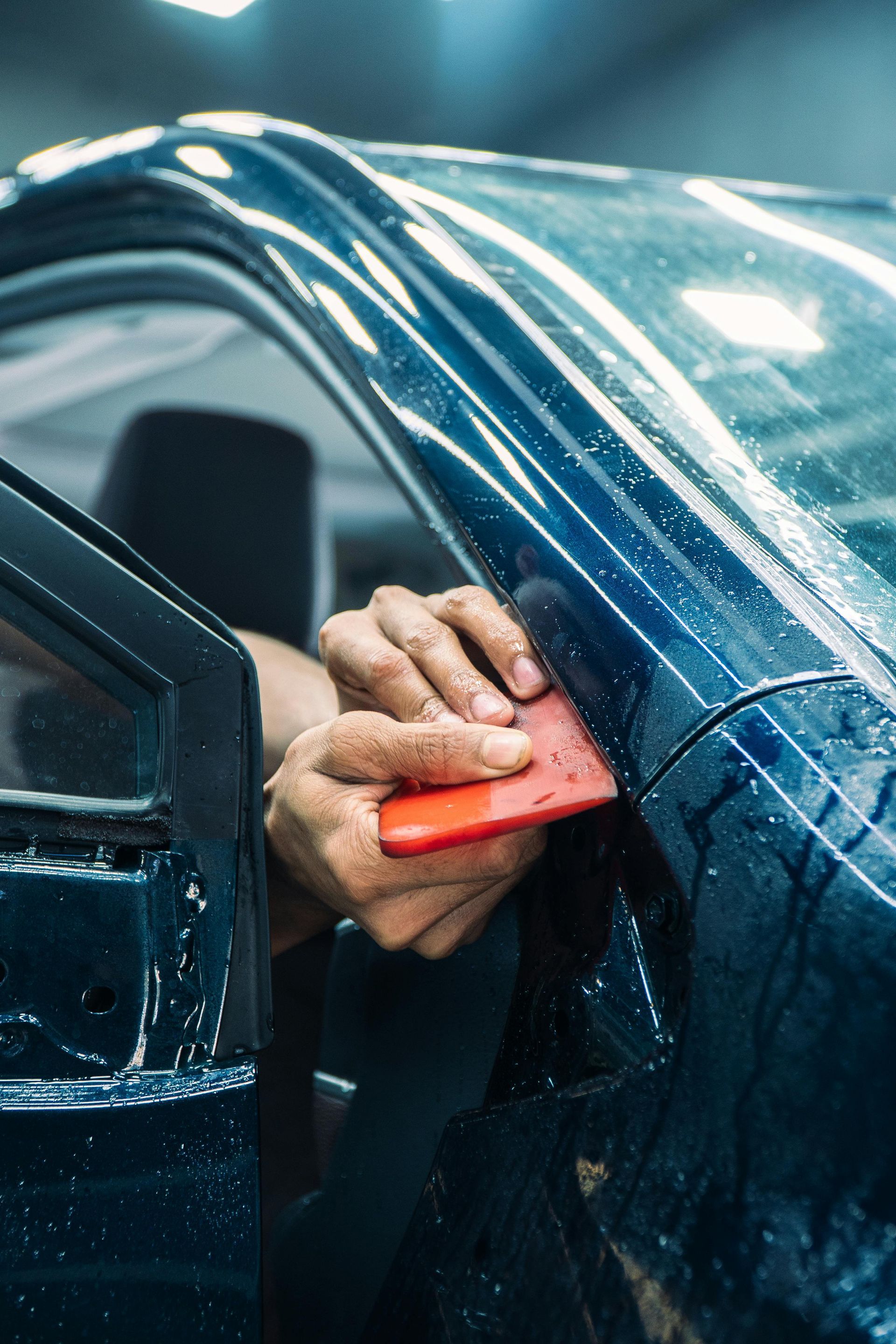
Even the best materials will fail prematurely if installation is not performed correctly. Precision, edge sealing, and surface preparation are critical to long-term performance.
Signs Your Paint Protection Film May Be Aging
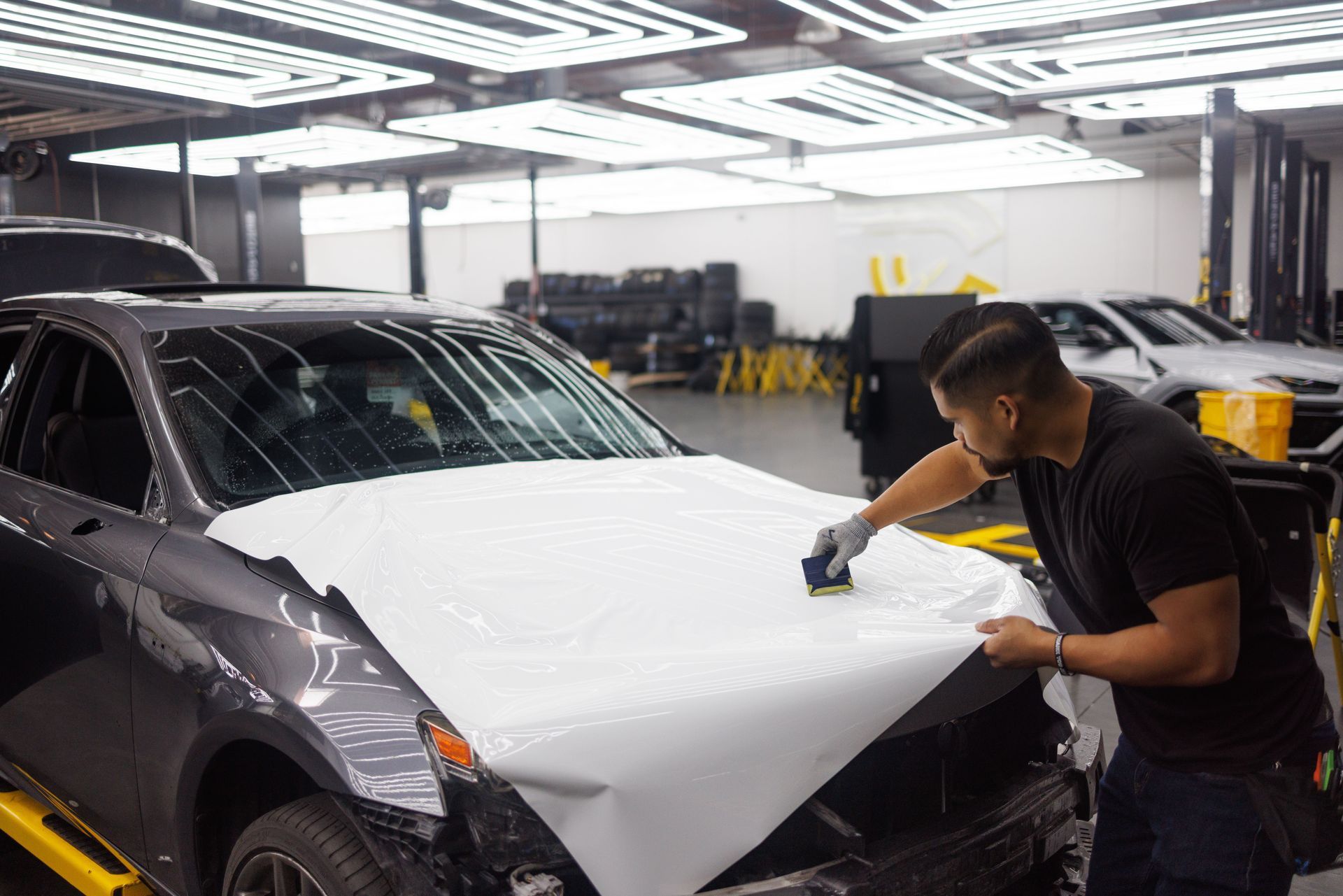
Understanding early warning signs helps you determine when maintenance or replacement may be necessary.
Yellowing or Color Shift
Over time, environmental exposure can cause subtle color changes in the film, especially in high UV regions.
Edge Lifting or Separation
Heat cycles and adhesive aging may cause edges to lift, which can allow dirt and moisture underneath the film.
Reduced Clarity or Haze
If the film appears cloudy or less transparent, it may indicate surface wear or environmental buildup.
Contamination Under the Film
Trapped moisture or debris can create an uneven appearance and reduce visual quality.
Reduced Water Behavior
When water no longer beads or rolls off effectively, it may indicate surface performance decline.
Surface Texture Changes
Advanced aging can result in subtle texture changes that affect both appearance and feel.
Common Myths About Paint Protection Film Lifespan
Many vehicle owners misunderstand how PPF actually performs over time. Here are a few common misconceptions.
- Myth 1: PPF lasts forever. All protective films degrade naturally over time due to environmental exposure and physical wear.
- Myth 2: All films perform the same. Film quality, installation technique, and environmental exposure all significantly impact lifespan.
- Myth 3: Discoloration means failure. Some minor aging is normal over time, but it does not always mean immediate failure.
- Myth 4: PPF eliminates all maintenance. While it reduces damage, regular cleaning and care are still required for optimal performance.
Paint Protection Film vs Ceramic Coating
Many vehicle owners confuse ceramic coating with paint protection film, but they serve very different purposes.
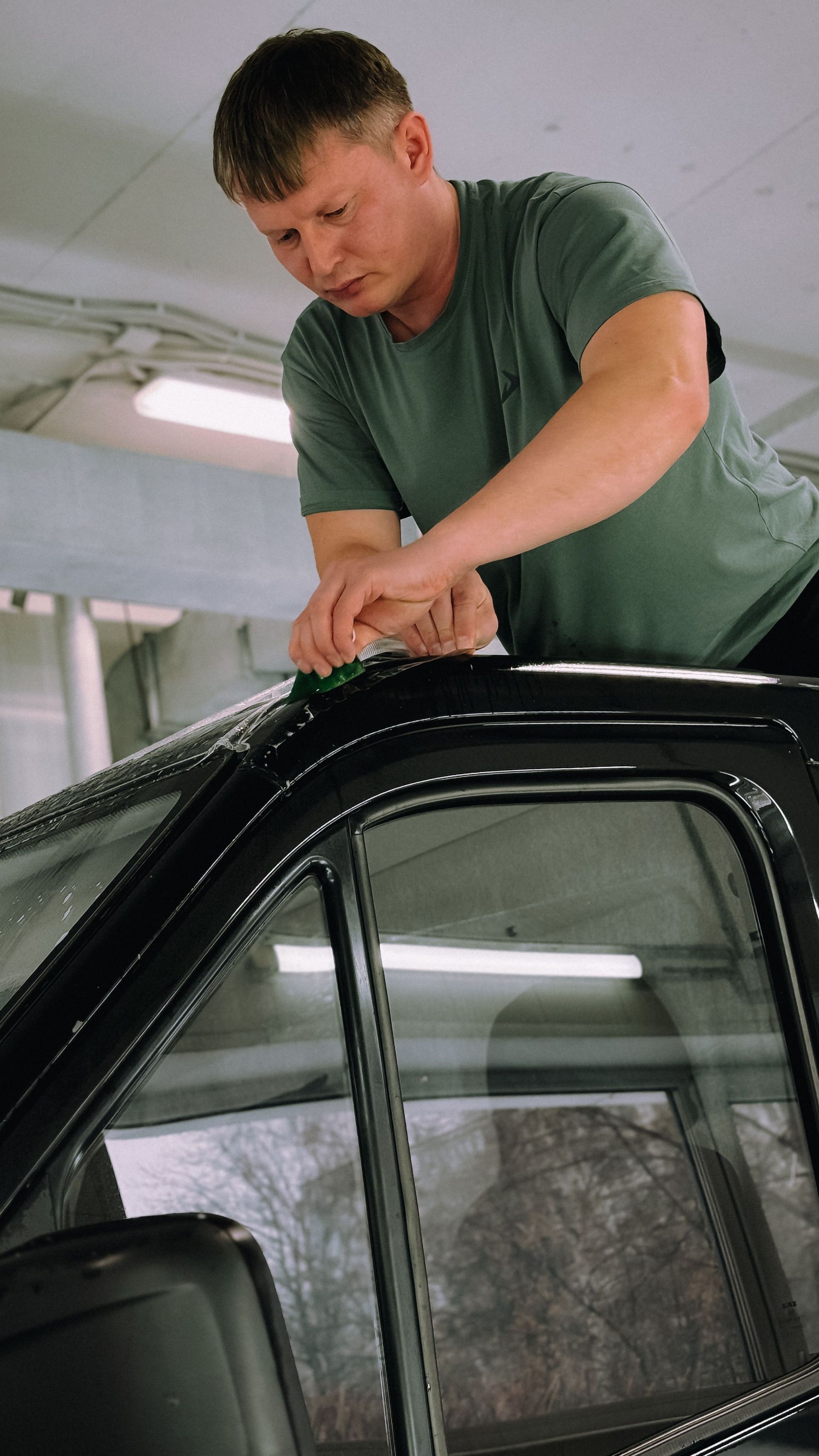
Paint protection film provides a physical barrier against road debris, chips, and direct impact. It is a thicker, impact-absorbing layer designed for real-world driving protection.
Ceramic coating, on the other hand, is a chemical protective layer that enhances gloss, improves hydrophobic behavior, and helps resist contaminants. However, it does not provide impact protection like PPF.
For best results, many high-end vehicle owners combine both systems. PPF protects the physical surface, while ceramic coating enhances maintenance and appearance.
How to Extend the Life of Your Paint Protection Film
Proper maintenance plays a major role in maximizing film lifespan and appearance.
- Use Safe Washing Methods. Use pH-neutral soap and microfiber towels to avoid unnecessary surface wear.
- Avoid automatic brush washes. These systems can damage edges and reduce film clarity over time.
- Maintain Regular Cleaning. Routine washing prevents buildup of contaminants that can degrade film performance.
- Limit Excessive Heat Exposure. Whenever possible, park in shaded or covered areas to reduce UV stress.
- Schedule Professional Inspections. Periodic inspections help identify early signs of wear before they become more serious.
Inspection Checklist for Paint Protection Film Condition
If you are unsure about your film condition, here is a simple checklist used by professionals:
- Is there visible discoloration or yellowing?
- Are edges lifting on multiple panels?
- Has water behavior changed noticeably?
- Does the surface look cloudy under sunlight?
- Is contamination visible under the film?
If you answer "yes" to multiple points, it may be time for evaluation or replacement.
When Should You Replace Paint Protection Film?
Replacement is not always urgent at the first sign of aging. However, it becomes necessary when multiple performance issues appear together.
You should consider replacement when:
- Yellowing is clearly visible across panels
- Edge lifting becomes widespread
- Clarity loss affects overall appearance
- Contamination cannot be removed
- Protection performance is noticeably reduced
At this stage, the film is no longer performing at its intended protective level.
What Influences the Cost of Replacement?
Several factors influence replacement cost, including:
- Size of vehicle and coverage area
- Film quality selected for replacement
- Condition of existing paint and removal complexity
- Level of surface correction required before reinstall
- Installation precision and labor quality
While cost varies, replacement is generally viewed as a long-term restoration of protection rather than a cosmetic upgrade.
What Happens During Professional PPF Replacement?
A proper replacement process ensures your vehicle is restored safely and correctly.
At Firehouse Auto Spa, the process typically includes:
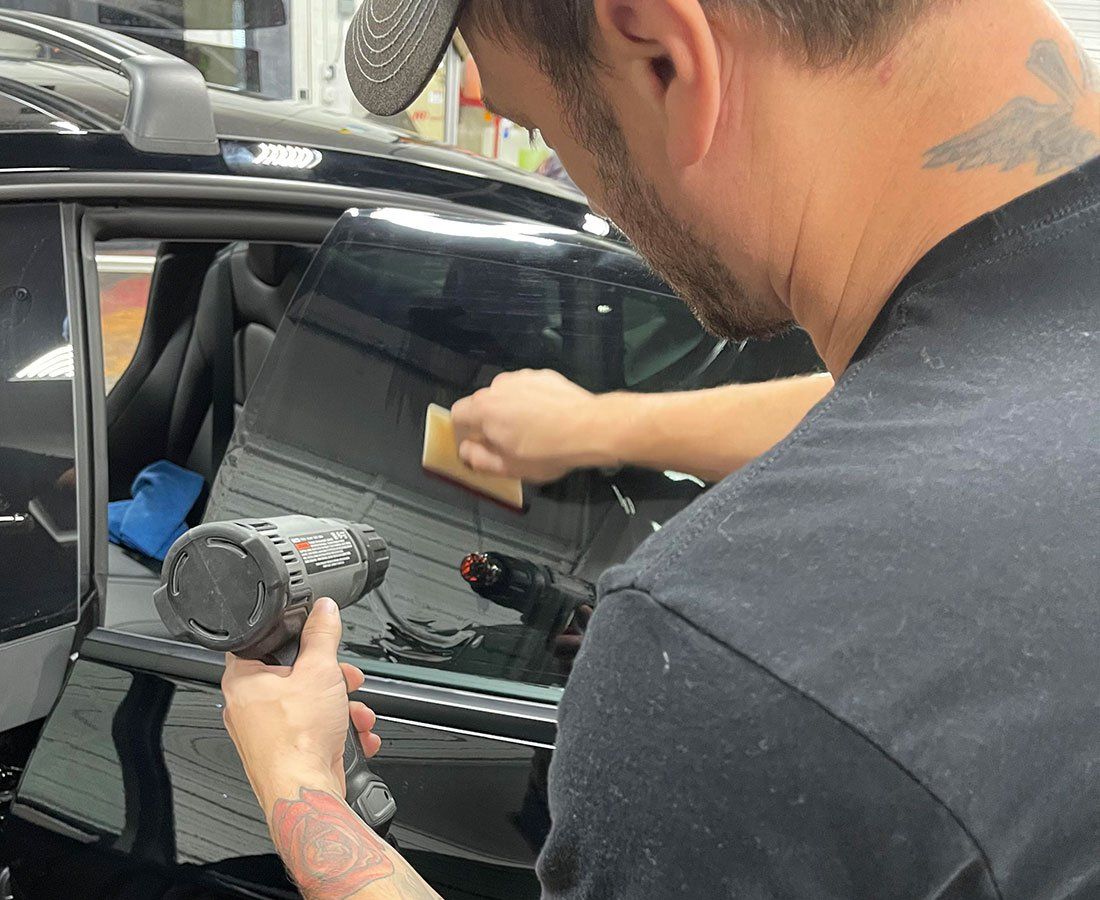
- Careful removal of existing film without damaging paint
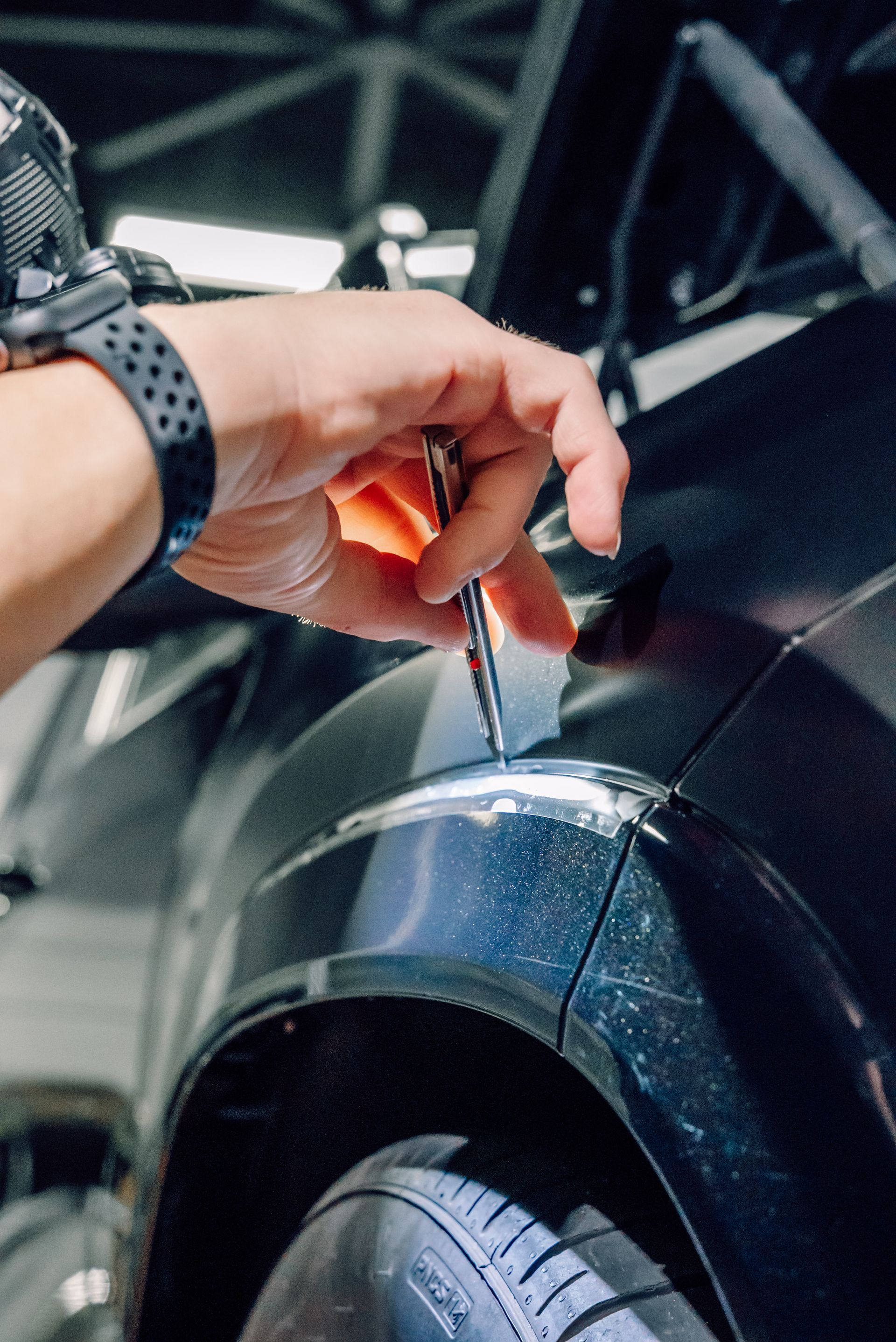
- Precise measuring and cutting for a custom fit before any new film is applied
- Careful application to prevent bubbling, tears, or cracking
- Paint correction services available if surface imperfections are found underneath
- Adequate curing and drying time to catch any issues before your vehicle is returned to you
This ensures the vehicle is fully restored to a protected and refined finish.
Why Premium Installation Matters More Than Anything Else
Even the highest-quality film will underperform if installation is not executed correctly. Professional installation ensures:
- Proper edge sealing to prevent lifting
- Clean, bubble-free application
- Maximum optical clarity
- Longer overall lifespan
- Better long-term appearance retention
This is why experienced installers play a major role in long-term performance outcomes.
Why Paint Protection Film Is Still Worth It Long-Term
Even though paint protection film is not permanent, its value is measured during its active lifespan.
During its service life, PPF helps:
- Preserve factory paint condition
- Reduce everyday cosmetic damage
- Support long-term resale value
- Minimize correction and repaint expenses
For most vehicle owners, the protection benefits far outweigh the eventual replacement cycle.
Why Jacksonville Drivers Benefit from Professional PPF Care
Florida's climate creates demanding conditions for vehicle surfaces. Heat, humidity, and UV exposure all accelerate wear, making professional installation and maintenance essential.
Professional-grade installation ensures:
- Longer film lifespan
- Better clarity retention
- Reduced risk of premature failure
- Proper panel coverage and edge finishing
This is why professional paint protection film Jacksonville, FL services should always be viewed as a long-term investment in vehicle preservation.
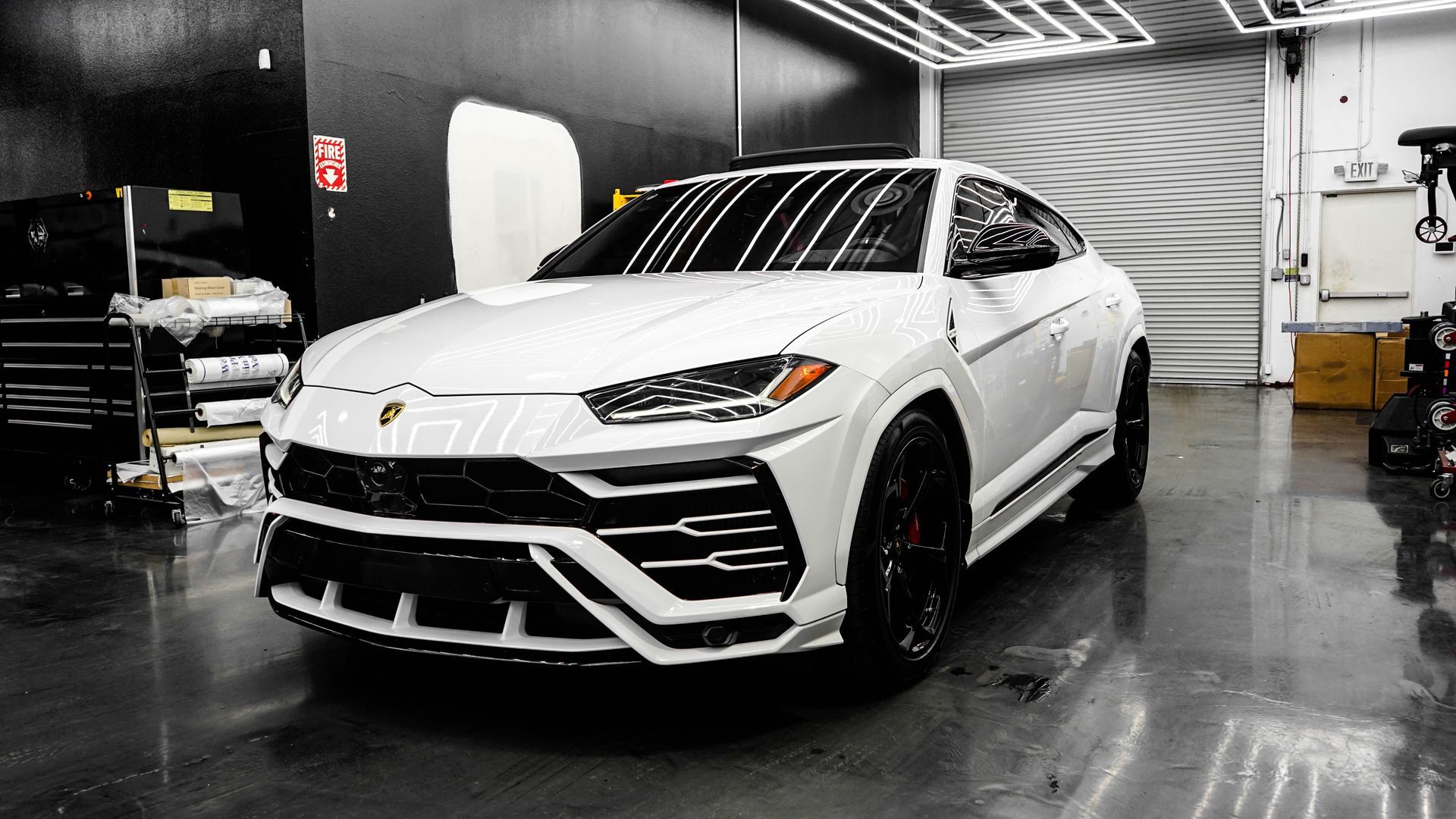
Conclusion: Making the Smart Choice for Your Vehicle
So, how long does paint protection film last? In real-world conditions, it typically ranges from several years up to a decade depending on quality, environment, and maintenance.
More importantly, understanding when to replace your film ensures your vehicle continues receiving full protection instead of relying on degraded material. If your vehicle is showing signs of aging such as yellowing, lifting edges, or reduced clarity, a professional inspection is the best next step.
Protect Your Investment with Firehouse Auto Spa
At Firehouse Auto Spa, we specialize in professional SunTek paint protection film installation, backed by a 10-year warranty and designed for Florida driving conditions. Our focus is helping vehicle owners protect their investment with precision, clarity, and long-term performance in mind.
If you are unsure about the condition of your current paint protection film or want professional guidance on your protection options, our team is ready to help you make the right decision for your vehicle.
Contact us today!